
Erdogan says Israeli strikes on Syria and Lebanon now threaten Turkey as Netanyahu fires back
Turkish President Recep Tayyip Erdogan told his ruling party's parliamentary group on Wednesday that Israeli military operations in Syria and Lebanon had reached a point where they directly threatened Turkey, drawing a sharp personal rebuke from Prime Minister Benjamin Netanyahu.
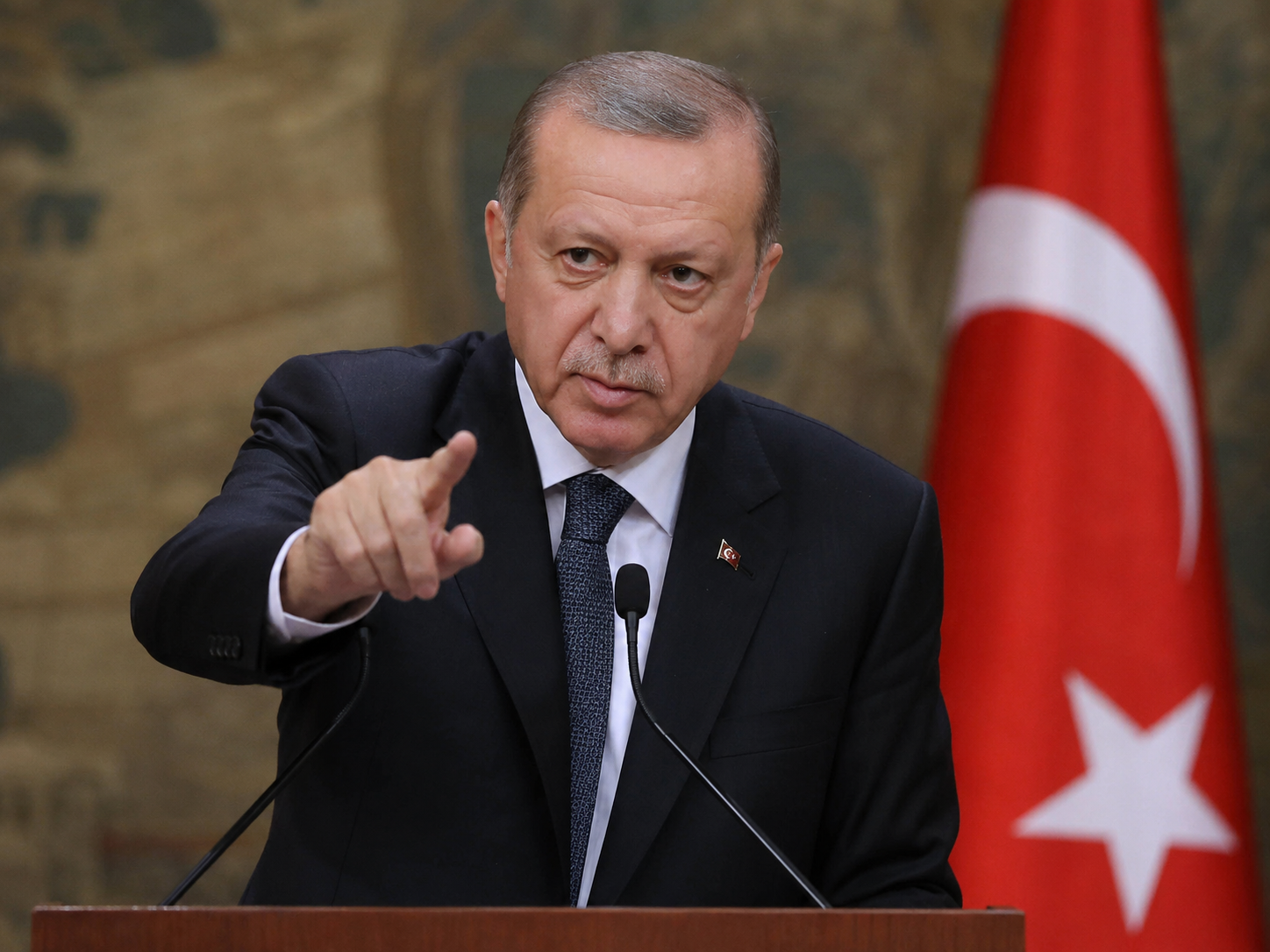
Turkish President Recep Tayyip Erdogan warned on Wednesday 10 June that Israeli military strikes on Syria and Lebanon had escalated to the point of threatening Turkey itself, calling on world powers to confront what he described as Israeli "aggression" before it destabilised the entire region.
"The attacks by Netanyahu and his network of murder on Lebanon and Syria have brought the issue to a point where it also threatens Turkey," Erdogan told lawmakers from his ruling AK Party in parliament in Ankara, adding that Turkey's security was directly tied to that of both neighbouring countries.
Erdogan said Israel's actions posed a threat "to the whole world" and urged governments to take a clearer stance, saying Israel had been emboldened by the "silence of the international community." He also accused Israel of pursuing what he called a "sneaky effort" to destabilise African countries and the Mediterranean by stirring division on Cyprus, the ethnically split island where Ankara holds deep political and military interests.
"Nobody should chase adventures," he said, adding that any move violating the rights of Turks or Turkish Cypriots in the Eastern Mediterranean would be met with a "very clear and very strong" response. "Turkey's security begins not in Hatay, but in Aleppo, Damascus and Beirut," Erdogan said, according to Turkey's state news agency Anadolu.
Netanyahu responds
Prime Minister Benjamin Netanyahu hit back on X, calling Erdogan an "antisemitic dictator" unfit to criticise Israel. Netanyahu accused Erdogan of committing genocide against the Kurds, backing Hamas, oppressing his own people and imprisoning political rivals. Some human rights groups and Western governments have long accused Turkey of repressing political opponents; Ankara rejects allegations of genocide over its military campaigns against Kurdish groups.
"The State of Israel and the IDF, the most moral military in the world, will continue to act decisively against Iran and its proxies, which threaten the Middle East and the entire world," Netanyahu added.
The broader conflict
Israel says it is acting against the ongoing threat posed by Hezbollah in south Lebanon and argues that the terms of the ceasefire there permit it to do so. Israel has carried out strikes in Syria since the overthrow of former president Bashar al-Assad in December 2024, most recently in March, while also opening an unprecedented dialogue with Syria's new authorities.
According to Lebanon's Ministry of Public Health, at least 3,558 people have been killed and 10,870 wounded in Israeli strikes across Lebanon since 2 March. The UN human rights chief said on Wednesday he would deploy investigators to Lebanon to gather evidence of alleged violations by parties to the conflict.
Turkey, which borders Iran and has blamed Israeli "provocations" for sparking the US-Iran war that began in late February, has been one of the fiercest critics of Israel's conduct. Ankara halted all trade with Israel in May 2024 and has called for international legal measures against it; Turkish airlines have also stopped flying to Israel.
NATO summit backdrop
Wednesday's address came as Erdogan also confirmed that Turkey was intensifying preparations for the NATO Leaders' Summit scheduled for 7–8 July in Ankara — the alliance's 36th summit and the first Turkey has hosted since 2004. He welcomed the confirmed attendance of US President Donald Trump, describing it as "a valuable step in terms of the alliance's cohesion."
The summit will take place against the backdrop of an active US-Iran confrontation, ongoing Israeli strikes in Lebanon, and acute pressure on alliance members over defence spending. Turkey holds NATO's second-largest military after the United States.