
France and Algeria edge back from a two-year rupture
The French ambassador is back in Algiers and both sides are talking security and migration again. A jailed journalist, a stripped nationality and the Western Sahara still stand in the way.
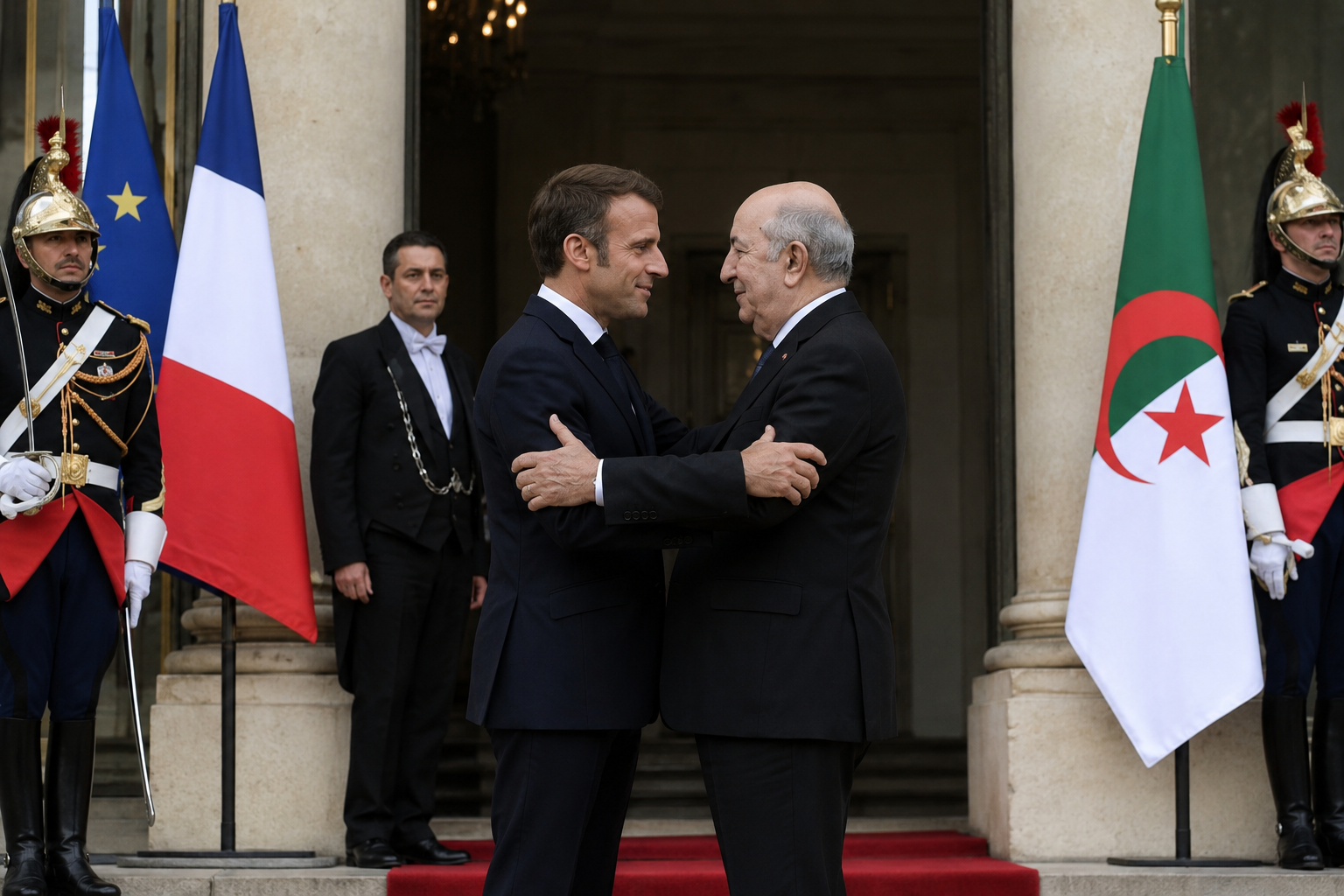
France and Algeria have taken another step toward repairing one of the most difficult periods in their recent relationship, as senior officials from both countries resumed talks in Paris on migration, security and cross border cooperation.
Algerian Interior Minister Saïd Sayoud co chaired an expanded working session in Paris on Monday with his French counterpart Laurent Nuñez, according to Algeria’s official news agency APS. The meeting brought together delegations from both countries and followed Nuñez’s visit to Algiers in February, when the two sides agreed to reactivate high level security cooperation.
The Paris talks mark the latest sign of a cautious thaw after nearly two years of diplomatic tension between the two countries. Relations deteriorated sharply after France backed Morocco’s sovereignty plan for Western Sahara in 2024, a position rejected by Algeria, which supports the Polisario Front.
The rupture widened through a series of disputes over migration, deportations, diplomatic expulsions, detained writers and journalists, and the status of Algerian nationals in France. At one point last year, French Foreign Minister Jean Noël Barrot said the relationship was “totally blocked” after a round of reciprocal expulsions.
The current reset has been gradual. In February, Nuñez travelled to Algiers and met President Abdelmadjid Tebboune and Sayoud. French and Algerian officials then said they would revive security cooperation. In May, French President Emmanuel Macron announced the return of France’s ambassador Stéphane Romatet to Algiers after more than a year of absence. French Justice Minister Gérald Darmanin also visited Algeria in May to discuss judicial cooperation, organised crime and seized assets.
Monday’s talks in Paris suggest both governments now want to rebuild working channels, even if the political relationship remains fragile. Migration is one of the main files. Paris wants stronger Algerian cooperation on the return of nationals under deportation orders. Algiers has accused French officials of using the issue for domestic political purposes, especially as immigration has become a central theme in France ahead of the 2027 presidential election.
The 1968 Franco Algerian agreement remains one of the most sensitive points. The treaty gives Algerian nationals a special legal status in France, separate from ordinary immigration law. French right wing and far right politicians have repeatedly called for it to be revised or scrapped. The French government has at times threatened to review the agreement, especially during disputes over deportations. Algeria has treated the issue as both legal and political, tied to the wider history of the two countries.
Security cooperation is another priority. French officials have pushed for renewed dialogue on organised crime, drug trafficking and counter terrorism. Algerian officials have also raised judicial files, including requests linked to former Algerian officials accused of corruption and the recovery of assets abroad.
The rapprochement remains exposed to several unresolved cases. France continues to raise the case of Christophe Gleizes, a French journalist sentenced in Algeria. Darmanin said during his May visit that President Tebboune had been receptive to a request for clemency, while adding that the decision belonged to the Algerian president.
Another case has added pressure from the French side. French investigators have charged several men over an alleged plot targeting Hichem Aboud, a former Algerian intelligence officer and government critic living in exile. No direct link to Algerian state services has been established, but the case has revived suspicions in Paris and could complicate the diplomatic thaw.
The Western Sahara file also remains unresolved. France has not signalled any intention to reverse its support for Morocco’s sovereignty plan, while Algeria continues to see that position as a strategic break. That dispute was one of the main causes of the crisis and remains the hardest obstacle to a full reset.
For now, the two governments appear to be choosing a narrower path: restoring practical cooperation while avoiding the larger questions that could derail the process. Interior, justice and consular channels are moving first. The political relationship is following more slowly.
The next test will be whether the Paris talks lead to operational results, especially on deportation procedures, security cooperation and judicial exchanges. Further visits are expected in the coming weeks, including contacts involving foreign affairs and judicial officials.
France and Algeria have often moved between reconciliation and rupture. This latest thaw does not settle the deepest disputes between them. But it does reopen channels that had been frozen, and gives both governments a way to manage the hardest cases without allowing them to paralyse the whole relationship.