
Gulf escalation widens after US strikes Iranian radar sites
US forces struck Iranian radar sites after intercepting drones near the Strait of Hormuz, in the latest breach of a ceasefire agreed in April
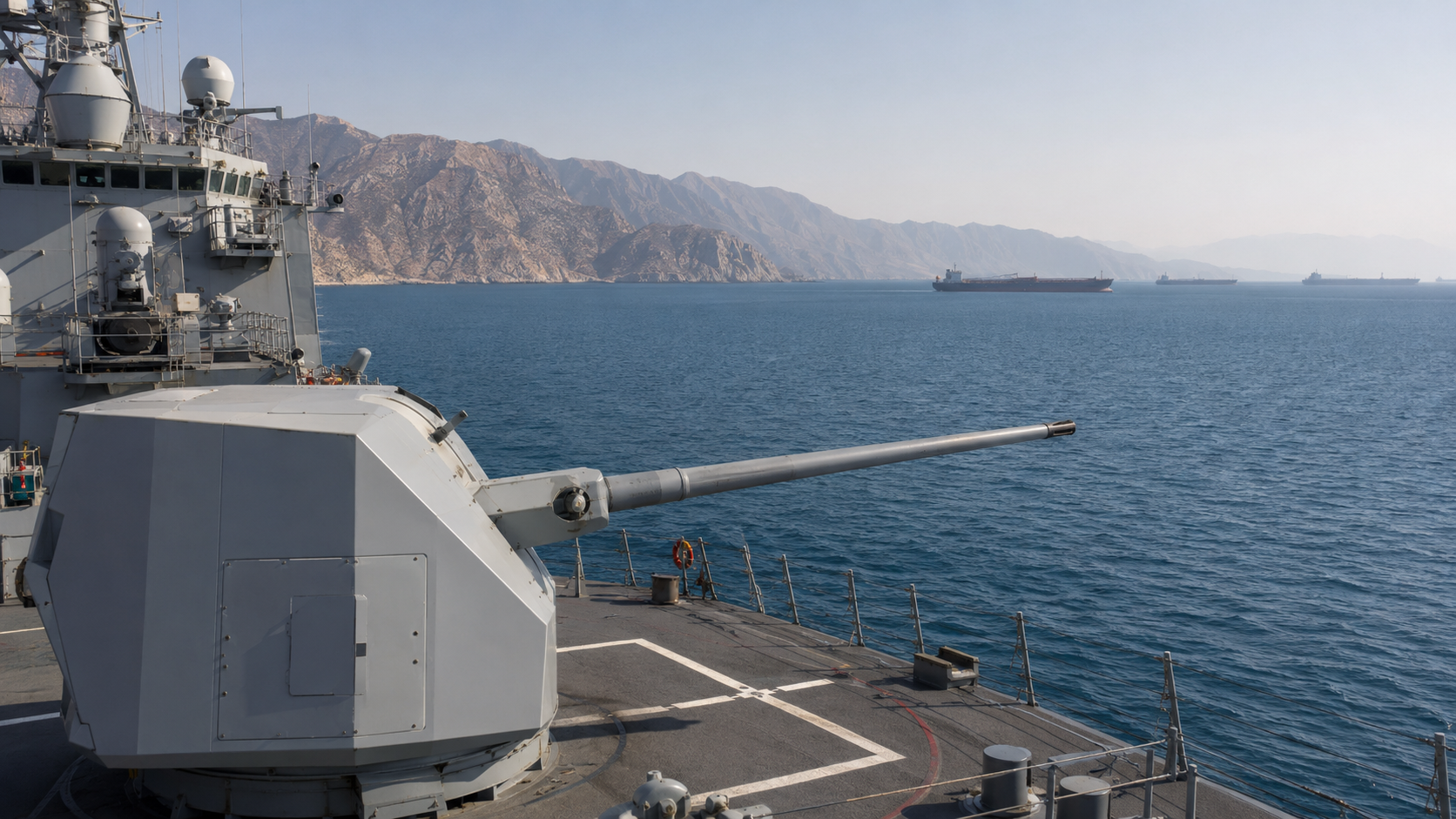
US forces struck Iranian coastal radar sites after shooting down four Iranian drones launched towards the Strait of Hormuz, in the latest escalation of the 2026 Iran war and a further breach of a ceasefire agreed in April.
The war began on 28 February, when the US and Israel launched strikes on Iran. A ceasefire was agreed on 8 April, but it has been repeatedly tested by military action in the Gulf, Lebanon and around Iranian shipping routes.
US Central Command said the drones were intercepted on the early hours of Saturday and posed an immediate threat to regional maritime traffic. Reuters reported that the Iranian radar sites hit by US forces were in Goruk and on Qeshm Island, on Iran’s southern coast.
Iran’s Islamic Revolutionary Guard Corps later said it had targeted US bases in Kuwait and Bahrain. CENTCOM said US forces intercepted six Iranian missiles and that a seventh failed to reach its target. It said there were no reports of harm to US personnel.
Kuwait and Bahrain were placed on alert during the attacks. Al Jazeera reported that Kuwait’s military said air defence systems intercepted incoming drones and missiles, while Bahrain’s Interior Ministry said warning sirens had been activated.
The exchange followed a separate incident on Friday, when Iran said it had fired warning missiles and drones at US warships in the Gulf of Oman. Iranian state media said Tehran accused the US Navy of harassing maritime traffic and seizing commercial vessels and oil tankers. CENTCOM denied that Iranian forces had fired warning shots at US warships.
The latest flare up complicates indirect US Iran negotiations over an interim arrangement to stop the ceasefire from collapsing further. Reuters reported that the talks are focused on a temporary halt to fighting, with Iran seeking access to frozen oil revenues, sanctions waivers on crude exports, an end to the US blockade of Iranian ports and leverage over the Strait of Hormuz.
President Donald Trump told NBC that Iran still had “maybe 21%-22%” of its missiles left, while saying most of its drone and missile manufacturing facilities had been destroyed, Reuters reported. The agency also reported that Trump faces domestic pressure over rising fuel prices.
The Lebanon front has added another layer to the talks. Hezbollah said it carried out attacks on Israeli troops in southern Lebanon, while Lebanese security services said Israeli strikes hit towns in the south. Iran has demanded an Israeli withdrawal from Lebanon and has linked a Lebanon ceasefire to any wider peace arrangement with Washington.
The wider economic impact is also growing. Reuters reported this week that the war has pushed up energy and transport costs, while the UN World Food Programme warned that higher fuel costs and disrupted supply chains could push millions more people towards acute hunger.
The latest exchange leaves the April ceasefire formally in place but increasingly fragile, with US and Iranian forces still trading fire around the Strait of Hormuz and Gulf states exposed to the fallout.