
Iran says no US nuclear talks scheduled in coming days as expert delegation heads to Doha
Tehran and Washington are projecting sharply conflicting accounts of the diplomatic activity under way in Qatar on Tuesday, with Iran insisting its Doha-bound team is focused solely on implementing a fragile memorandum of understanding — not negotiating with the United States.
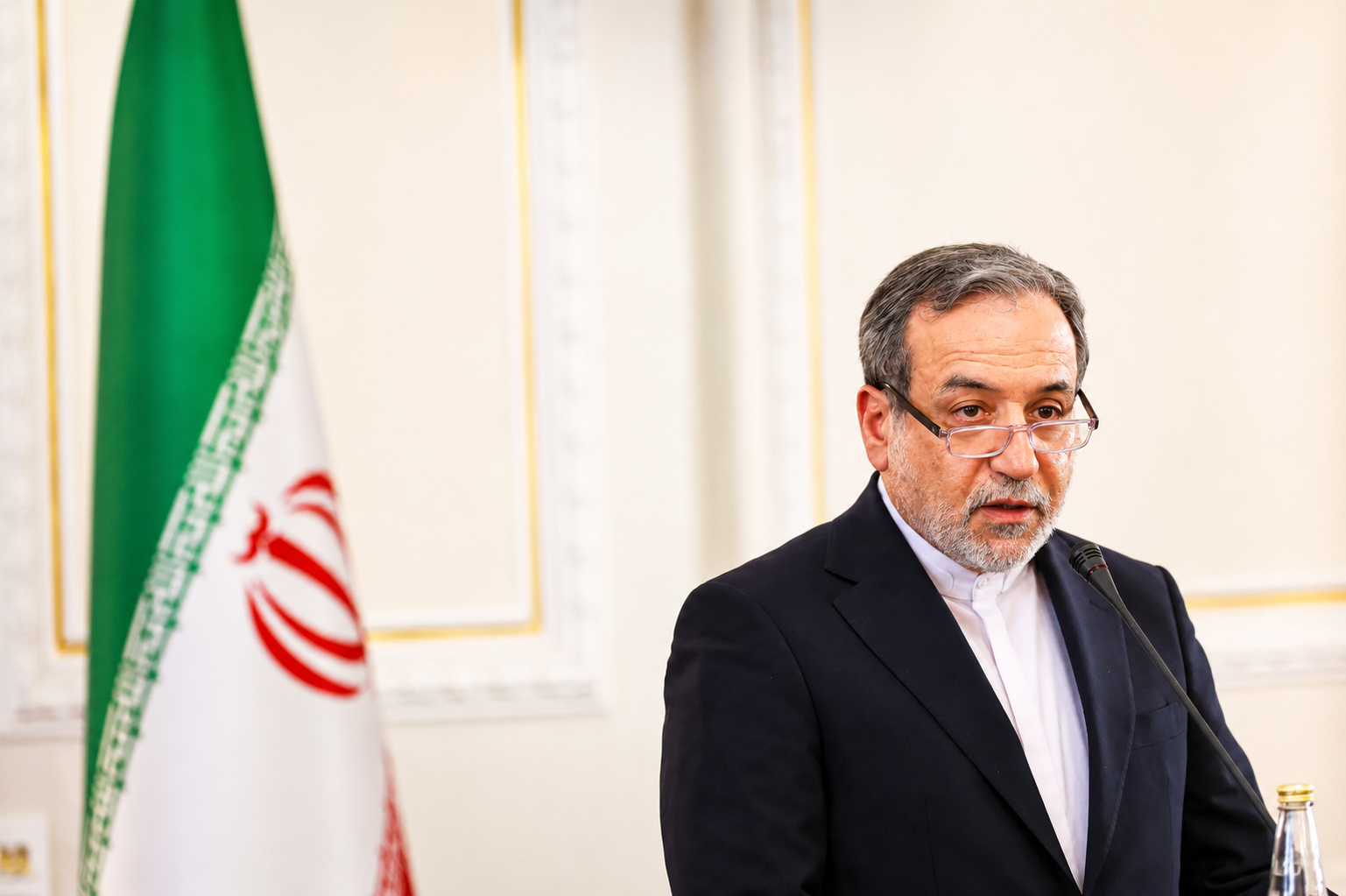
Iran said on Monday that no negotiation meetings with the United States are scheduled at any level in the coming days, even as Washington confirmed its top envoys were boarding flights to Doha and an Iranian expert delegation prepared to travel to the Qatari capital to follow up on the implementation of the two countries' interim deal.
Esmaeil Baghaei, spokesperson for Iran's Foreign Ministry and its negotiating team, said Tehran's current focus is on implementing the provisions of the memorandum of understanding (MoU) signed by Presidents Donald Trump and Masoud Pezeshkian, rather than advancing to a final-agreement stage. The Islamic Republic of Iran Broadcasting (IRIB) reported his remarks on Monday.
Baghaei said the United States had issued the necessary licences tied to Clause 10 of the MoU, which covers Iranian oil sales, and that Tehran is following up on their implementation. He said work is also under way on Clause 11, which concerns the release of Iran's frozen assets, and that an Iranian expert delegation would travel to Doha later this week in that context.
He added that any visit to Qatar by US representatives is entirely unrelated to the Iranian delegation's trip.
"There are no negotiation meetings with the US side at any level scheduled in the coming days," Baghaei said.
Iran's Deputy Foreign Minister for Legal and International Affairs, Kazem Gharibabadi, separately told reporters that no technical working group meetings are scheduled for this week under the framework of the 14-point MoU, and that consultations with Qatar are continuing through established mediation channels.
Washington's conflicting account
The US picture is markedly different. Trump posted on Truth Social on Monday morning that Iran had requested a meeting and that it would take place in Doha on Tuesday. White House press secretary Karoline Leavitt confirmed shortly afterwards that Special Envoy Steve Witkoff and senior adviser Jared Kushner would fly to Doha for high-level meetings, with technical talks on the sidelines.
Two US officials told CNN on Tuesday that Witkoff was already en route to the Qatari capital. Trump, speaking to reporters in the Oval Office on Monday, described the Doha meeting as "perhaps important, perhaps not."
The contradictory messaging injects fresh uncertainty into a diplomatic process that is supposed to be focused on Iran's nuclear programme but has so far been dominated by the Strait of Hormuz. Talks originally scheduled for Switzerland this week shifted to Qatar after a weekend of tit-for-tat strikes between US and Iranian forces over the strategic waterway, a US official and a second source told ABC News.
Ceasefire, strikes and the 60-day clock
The MoU, signed in stages earlier this month with Iran's formal signing on 18 June, establishes a 60-day window for the two sides to negotiate a broader final agreement ending the war that began on 28 February 2026. Mediators Qatar and Pakistan set up a High Level Committee after talks at the Lake Lucerne resort in Switzerland concluded around 21–22 June, with working groups assigned to nuclear issues, sanctions and the monitoring of the MoU's implementation.
The interim deal requires Iran to allow safe passage of commercial vessels through the Strait of Hormuz for 60 days. The strait, a narrow chokepoint through which a significant share of global oil shipments pass, has seen a series of strikes and counter-strikes in recent days. Both sides agreed to halt kinetic activity and allow ships to move freely, a US official told Axios, though shipping traffic through the waterway remains well below pre-war levels. MarineTraffic data cited by CNN showed around two dozen vessels transited the strait in the 24 hours to Monday — compared with about 110 a day before the war began.
Baghaei said final-agreement talks cannot begin until implementation is under way on Clauses 1, 4, 5, 10 and 11, as stipulated by Clause 13 of the MoU. He said Iran and the US have not yet entered that stage.
Iranian President Pezeshkian said on Monday that Iran will honour its commitments if the United States does the same, while warning that Tehran will respond firmly to threats.
This is a developing story.