
Israel and Lebanon agree ceasefire steps, but Hezbollah question remains
Israel and Lebanon have agreed to move forward with the implementation of a full ceasefire, according to a joint statement with the United States, in the most serious diplomatic effort yet to contain the war along the Lebanese Israeli front.
The agreement, reported Wednesday, is conditioned on Hezbollah halting attacks on Israel and withdrawing forces from the area south of the Litani River. The plan would also create pilot security zones under the exclusive control of the Lebanese army, part of a wider effort to remove armed non state actors from the border area.
The statement marks a new phase in U.S. mediated talks between the two countries, which have continued in Washington despite fighting on the ground. The talks are aimed at turning a fragile and repeatedly violated truce into a more durable security arrangement.
The hardest question remains Hezbollah. The group is not formally part of the Israeli Lebanese talks, but no ceasefire can hold without its compliance. A Lebanese official close to Parliament Speaker Nabih Berri said earlier this week that Hezbollah was prepared for a full ceasefire if Israel reciprocated. But the group has rejected efforts to disarm it and has framed its military presence in the south as resistance against Israel.
The new arrangement appears to follow the logic of U.N. Security Council Resolution 1701, adopted after the 2006 war, which called for the area between the Blue Line and the Litani River to be free of armed groups other than the Lebanese state and U.N. peacekeepers. That framework has remained only partially implemented for years.
Washington is trying to change that by strengthening the role of the Lebanese Armed Forces. U.S. Secretary of State Marco Rubio said the United States was hopeful that a joint action plan could emerge from the talks, and linked U.S. support for Israel with continued assistance to the Lebanese army. The aim is to give Beirut a security role that can reduce Israel’s stated justification for continued strikes.
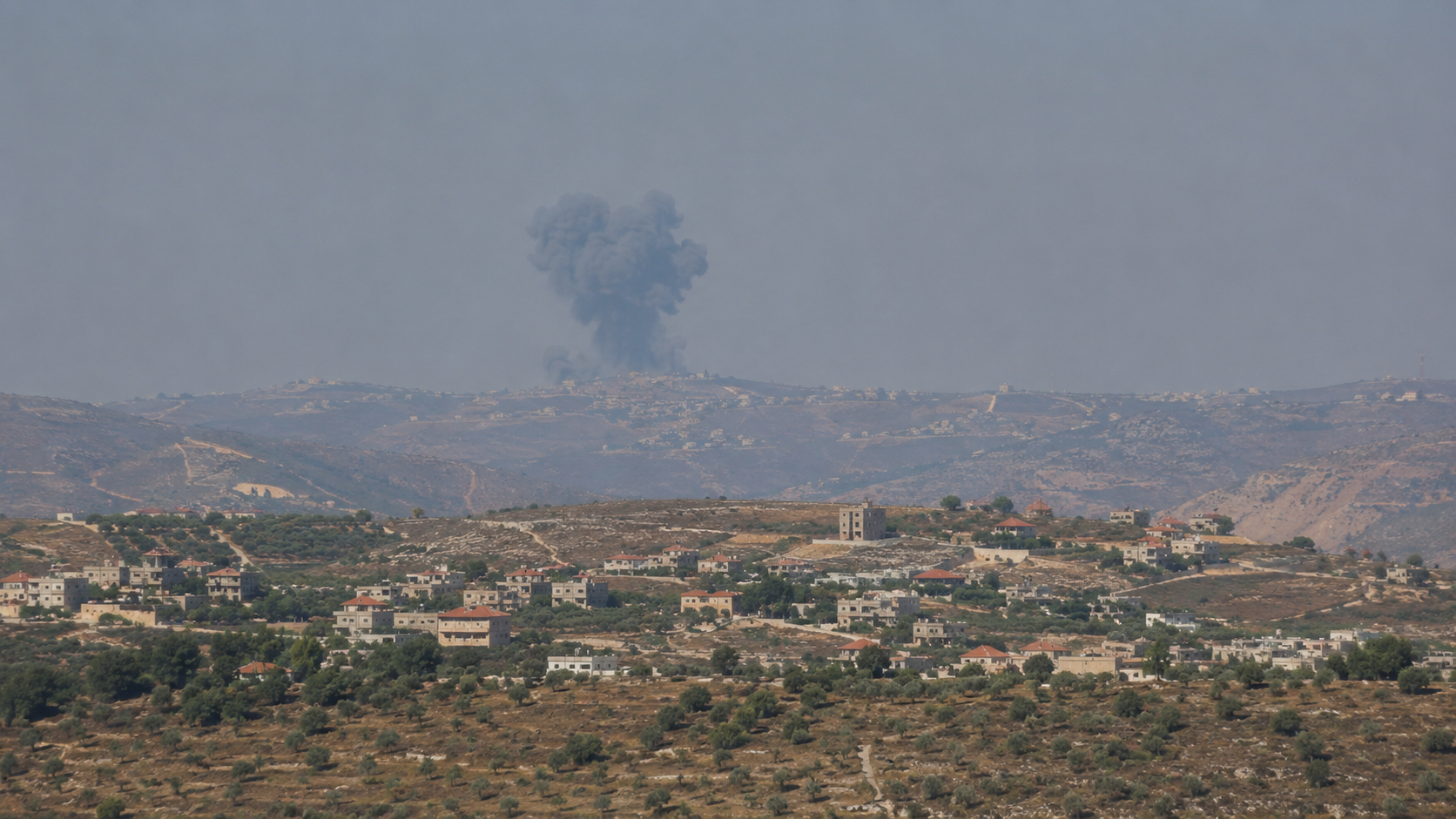
The announcement comes after days of escalation. Reuters reported Wednesday that Hezbollah fired rockets at Israel, prompting Israeli interceptions, while Israeli drone strikes hit several vehicles in Lebanon, including one near Beirut. Israeli officials said they were still verifying the source of the latest fire from Lebanon.
Those incidents underline how fragile the process remains. Israel has continued strikes in southern Lebanon and has warned that attacks on northern Israel would be met with retaliation. Lebanese officials have pressed Washington to secure a broader halt to Israeli operations and to move talks toward a comprehensive ceasefire.
The war has already caused heavy damage in Lebanon. Israeli strikes and evacuation orders have emptied large areas of the south, while thousands of families remain displaced. Reuters reported last week that the conflict has made around one fifth of Lebanon effectively uninhabitable, with many villages largely deserted and residents unable to return safely.
For Lebanon’s government, the ceasefire plan presents both an opportunity and a political risk. President Joseph Aoun has backed direct talks aimed at stabilising the border, but any arrangement involving Hezbollah’s withdrawal or disarmament will be politically sensitive inside Lebanon. The Lebanese army would also need resources, manpower and political cover to expand its presence in areas where Hezbollah has long operated.
For Israel, the test will be whether the new zones can reduce fire from southern Lebanon and allow displaced residents in the north to return. Prime Minister Benjamin Netanyahu’s government has said it will not accept a security arrangement that leaves Hezbollah positioned near the border.
The agreement also comes against the backdrop of wider U.S. diplomacy in the region. Washington is trying to prevent the Lebanon front from derailing broader efforts to contain the conflict with Iran. Tehran has warned that Israeli actions in Lebanon could undermine ceasefire efforts elsewhere, while the Trump administration has pushed Israel and Lebanon to keep the talks moving.