
Libya orders electricity plan as peak demand pressure builds
The Tripoli based Government of National Unity has instructed the General Electricity Company to prepare a technical and operational plan for peak load periods.
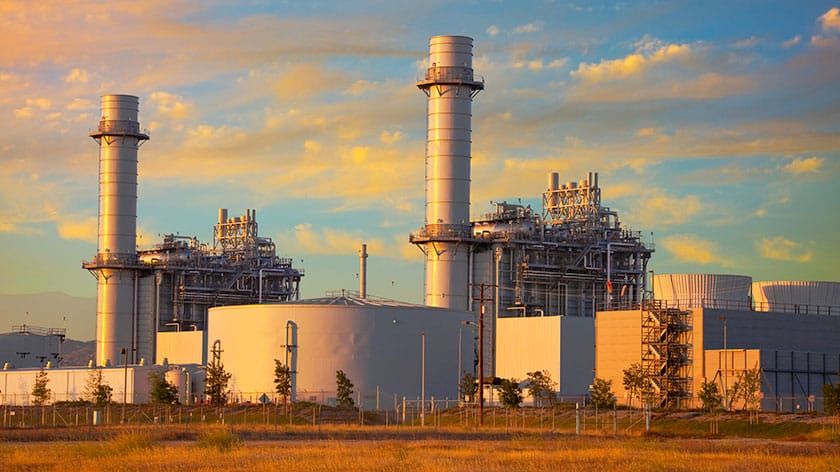
Libya’s Tripoli based Government of National Unity has instructed the General Electricity Company of Libya to prepare an integrated technical and operational plan to manage electricity loads during peak demand periods.
The directive was announced on Tuesday 9 June.
The government said the plan should help strengthen the stability of the public grid and ensure continued electricity supply across different regions.
The order comes as Libya enters the summer period, when electricity demand usually rises sharply because of higher temperatures and wider use of air conditioning.
It also follows renewed concern over fuel supplies to power stations.
Prime Minister Abdulhamid Dbeibah ordered on Saturday 6 June that a meeting be held between the National Oil Corporation and GECOL after the power utility submitted a letter on fuel needs for power plants.
The Libya Observer reported that GECOL had warned of a generation deficit of more than 1,000 MW because of shortages of different fuel supplies.
The report said the shortages had reduced output at several power stations and affected network stability.
According to the same report, GECOL warned that load shedding could increase during peak summer demand if fuel deliveries remained delayed.
Libya’s power problems are a recurring summer issue. Demand rises sharply in hot months, while fuel and gas shortages can idle generation units even when installed capacity exists.
Oxford Business Group reported that GECOL said Libya’s installed generation capacity had reached 8,200 MW in 2023, while the company projected peak load could reach 14,834 MW by 2025 and 21,669 MW by 2030.
The electricity situation improved in 2023 after years of severe cuts, helped by new management at GECOL and a more stable security environment. But fuel supply problems and peak load pressure continue to pose risks during the summer.
GECOL has also been working on projects intended to support generation capacity and grid stability.
In April, the company said the new South Tripoli gas fired power plant, with a capacity of 1,320 MW, was nearing completion.
It also said the fifth gas fired unit at the Zueitina power plant was in the final stages of a major overhaul, with a planned production capacity of 250 MW after reconnection to the grid.
No detailed timetable was announced for the new peak load plan.
The government did not say whether the plan would include demand management measures, emergency generation, maintenance scheduling or changes to supply priorities.