Foreign majors are returning to Libyan oil. The geology is tempting; the politics are the catch.
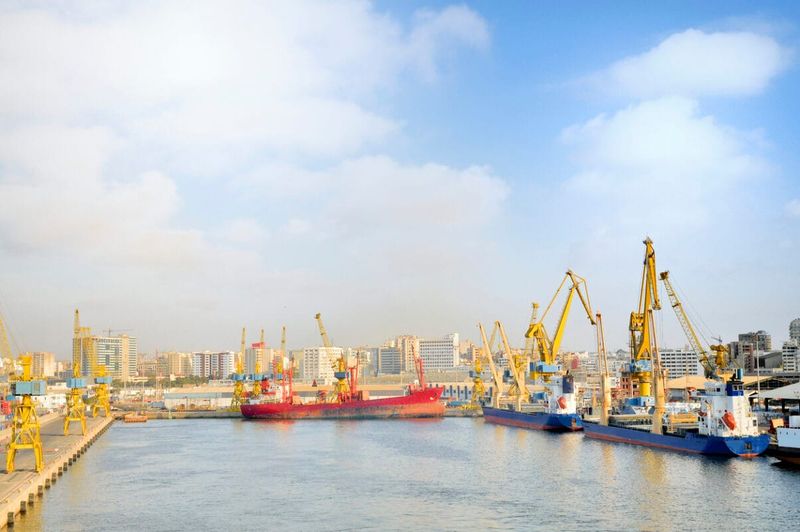
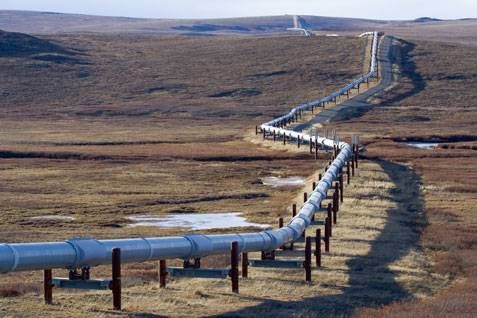
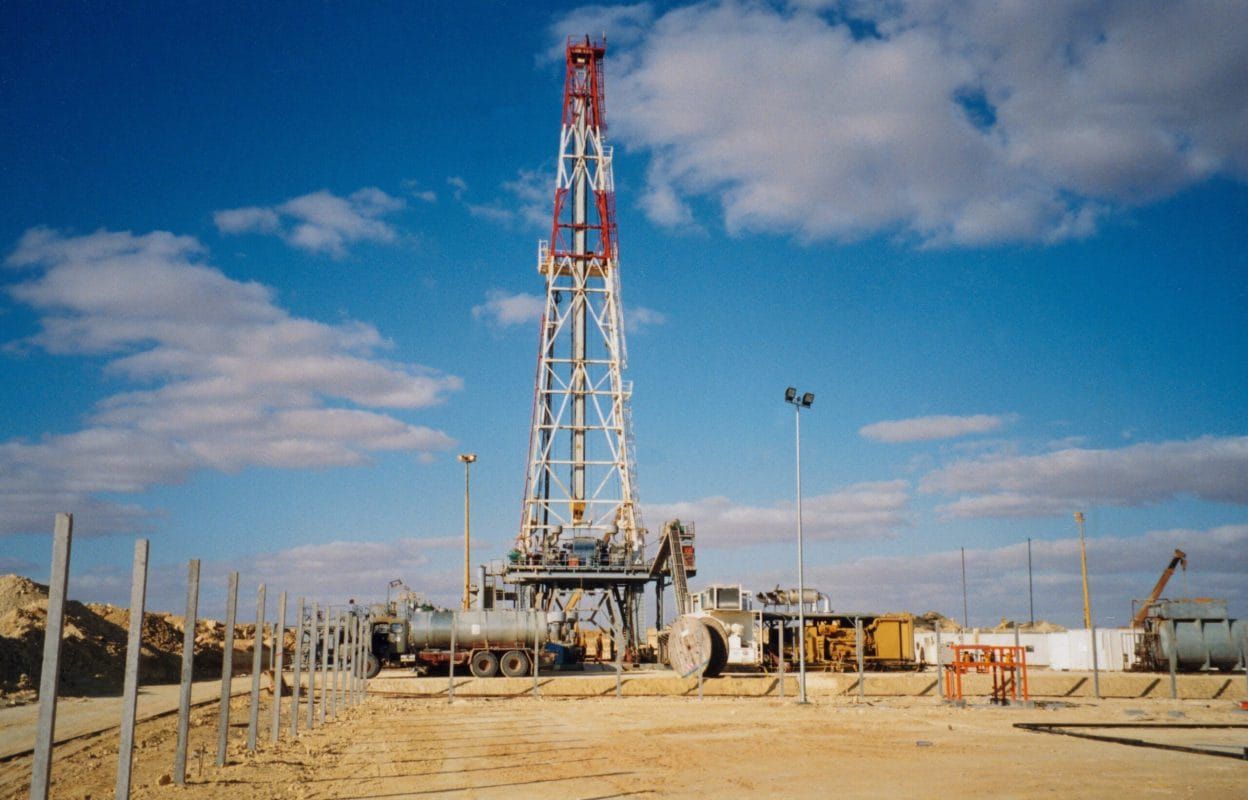
Early in 2026 Libya unveiled a deal worth around 20 billion dollars with TotalEnergies and ConocoPhillips to lift production over the coming decades, and held its first oil licensing round since 2007. The country pumps roughly 1.4 million barrels a day and wants to add hundreds of thousands more. European refiners prize its light, sweet crude, and its closeness to their ports.
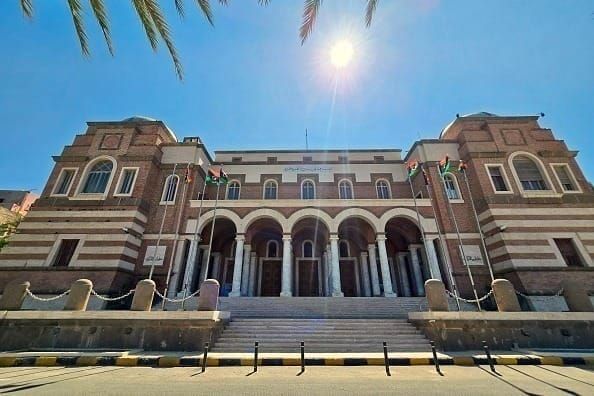
The appetite is real, and so is the caution. Only a quarter of the blocks on offer found takers, a sign that investors still price in the risk of a country with two governments and a habit of shutting fields during disputes. A sharp devaluation of the dinar in January underlined how fragile the public finances remain beneath the oil.
Libya can raise output. Whether it can turn barrels into stability, rather than into fresh leverage for whoever controls the taps, is the older and harder question.