
Maxxing turned improving yourself into a full-time job for a generation
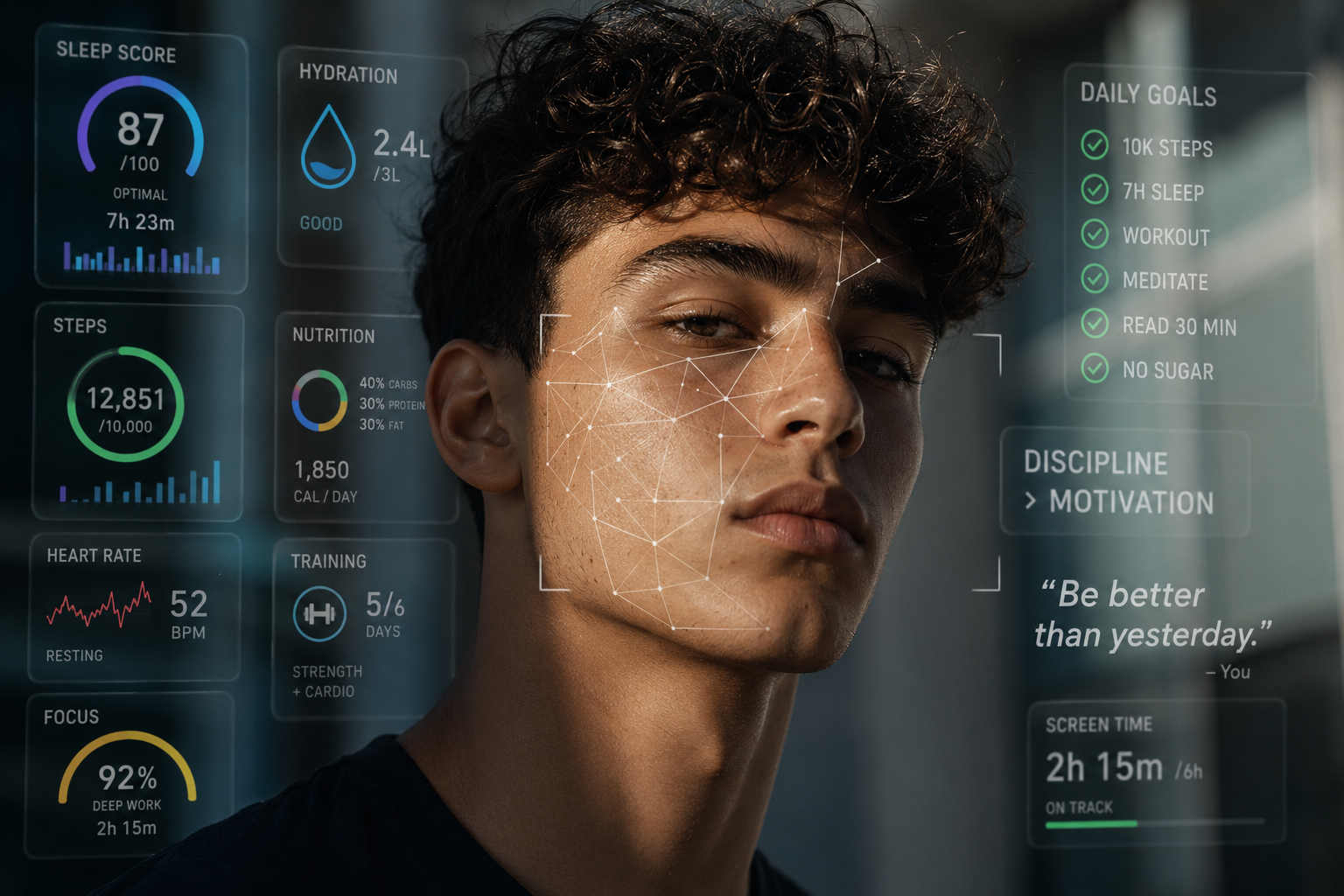
The suffix that now hangs off half of Gen Z's vocabulary began, of all places, in 1940s game theory, in the idea of maximising one variable at the expense of everything else. It passed through tabletop gaming as min-maxing, the art of pouring every resource into a single stat, and somewhere in the last decade it escaped into ordinary life. Young people now talk about sleepmaxxing, gymmaxxing, even solo-maxxing and hopemaxxing, each carrying the same quiet promise, that life improves if you choose one number and drive it upward while the rest takes care of itself.
The branch that reached children
The darkest version came first and still sets the tone. Looksmaxxing grew on incel and manosphere forums, where men reduced their own faces to scores and traded methods for raising what those boards coldly called their sexual market value. Sanitised for TikTok and YouTube, the language crossed into the mainstream, and from there it reached children. Boys as young as ten now study facial symmetry, jaw width and the angle of the eyes as though desirability were a set of measurements, practise mewing by pressing the tongue to the roof of the mouth, and in the worst corners attempt bonesmashing, tapping the bones of the face with hard objects in the belief that small fractures sharpen a jawline. The standard underneath is narrow and Eurocentric, and the satisfaction it promises never arrives, because the target is built to stay out of reach.
What the numbers show
The data is sobering. A 2025 Movember study found that 63 per cent of young men follow influencers who talk about masculinity, and more than a quarter said the content left them feeling worthless. Clinicians report rising rates of body dysmorphia, muscle dysmorphia and disordered eating in boys who once sat outside those patterns, the same harms that a generation of girls absorbed first. What changed is the reach. An algorithm that rewards appearance content now delivers it to anyone with a phone, and a teenager in Tunis or in the European diaspora scrolls the same feed and the same hierarchy as a teenager in California.
Who profits from the worry
Money runs through all of it. The market in men's grooming and skincare is on course to pass five billion dollars by 2027, and the platforms, the supplement sellers and the cosmetic clinics all profit from a young man's conviction that he is one purchase away from a better face. The advice arrives as self betterment, eat clean, lift weights, drink water, and threaded through it sit the grifts, the unregulated supplements, the off-label hormones, the surgery sold to a boy whose face has not finished growing.
Why it lands
The appeal makes sense when you set it against the lives these young men actually face. In an economy that offers little control over rent, work or the future, a jawline is something a teenager can act on tonight. Maxxing reframes a structural problem as a personal flaw and then sells the remedy, and the offer feels like agency precisely because so little else does. That is the seduction, and it is also the trap, because the one variable always demands more.
The quiet cost
A culture that scores everything teaches a generation that their worth is a metric, and that personality, kindness and connection rank below the face. The healthier corners of the trend are real, and an early night, a walk and a skincare routine harm no one. The damage begins at the exact point where a person stops being someone to know and becomes a project to optimise, and the work is never finished, because it was designed never to be.