
Morocco's Western Sahara autonomy plan keeps gaining backers as the Algeria rift holds
Rabat says well over 100 countries now support its position on the disputed territory, even as the underlying conflict with Algiers and the Polisario remains frozen.
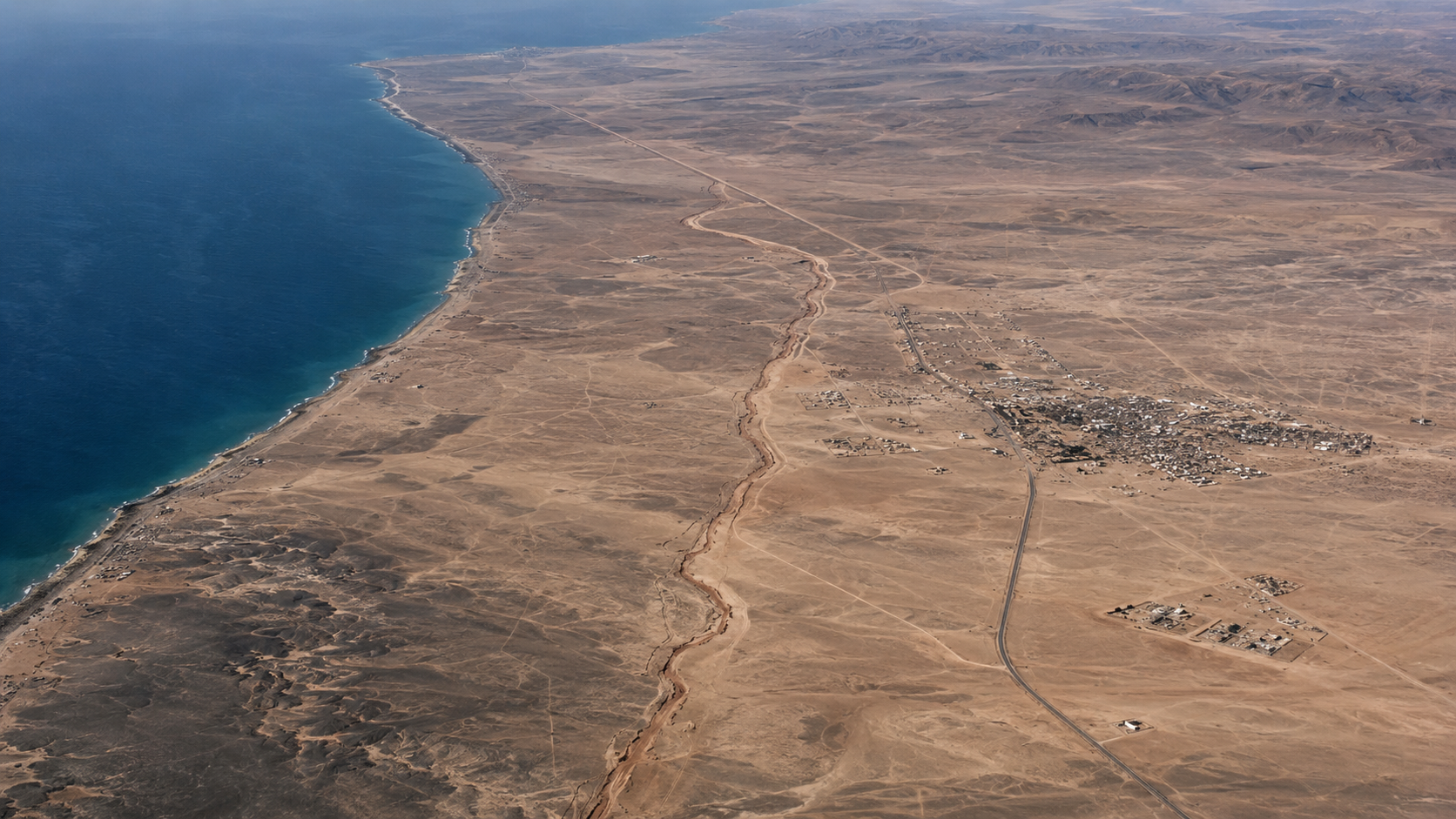
Morocco’s campaign to secure international support for its Western Sahara autonomy plan is gaining momentum, with more governments treating the proposal as the main basis for ending one of North Africa’s longest running disputes.
The shift has become more visible since the UN Security Council adopted a resolution in October calling for negotiations based on Morocco’s 2007 autonomy proposal. The text did not settle the territory’s final status, but it gave Rabat the clearest diplomatic opening it has received at the UN level in years.
Under the Moroccan plan, Western Sahara would have its own local institutions under Moroccan sovereignty, while Rabat would retain control over defence, foreign affairs and religious matters. Morocco presents the proposal as a realistic compromise after decades of failed negotiations. The Polisario Front, supported by Algeria, says the Sahrawi people must be allowed to choose independence through a referendum.
The balance of international diplomacy has moved increasingly in Morocco’s favour. The United States recognised Moroccan sovereignty over Western Sahara in 2020. Spain shifted its position in 2022, describing Morocco’s autonomy plan as the most serious, realistic and credible basis for resolving the dispute. France followed in 2024, while the United Kingdom adopted a similar position in 2025, calling the proposal the most credible, viable and pragmatic basis for a lasting settlement.
Mali added to that trend in April, withdrawing its recognition of the Sahrawi Arab Democratic Republic and backing Morocco’s plan. The move was symbolically important because the dispute has long divided African diplomacy, with some states recognising the Sahrawi republic and others supporting Morocco’s claim.
For Rabat, these endorsements matter beyond the legal language. Morocco has made Western Sahara a central test of its foreign relations, rewarding countries that support its position and pressing others to clarify theirs. The kingdom has also invested heavily in infrastructure, renewable energy, ports and roads in the territory, seeking to turn diplomatic recognition into economic permanence.
But the momentum has not produced a settlement. Algeria continues to reject Morocco’s sovereignty over Western Sahara and remains the Polisario Front’s principal regional supporter. The two neighbours severed diplomatic relations in 2021, and their land border has been closed since 1994. The dispute has become part of a wider rivalry over regional influence, security, energy and leadership in the Maghreb.
That rift limits what diplomacy can achieve. Morocco can gain more international support, but any durable settlement still faces resistance from Algeria and Polisario. The UN process also remains formally tied to the principle of a mutually acceptable political solution, even as the autonomy plan has gained weight as the preferred framework for negotiations.
The Polisario Front has rejected talks that it says would legitimise Moroccan control of the territory. It continues to insist on self determination, including the option of independence, which was the basis of earlier UN efforts after the 1991 ceasefire. That referendum was never held, largely because of disputes over who would be eligible to vote.
The latest diplomatic moves therefore mark a shift, not an end point. Morocco is closer than ever to making autonomy under its sovereignty the dominant international framework. Algeria and Polisario remain far from accepting that outcome.
The dispute continues to shape the Maghreb beyond the UN file. The Arab Maghreb Union remains effectively frozen. The Morocco Algeria border is still closed. Algeria’s gas diplomacy, Morocco’s Atlantic strategy and security coordination across the Sahel all move in the shadow of the same rivalry. Tunisia, Mauritania and Libya are left operating in a region where the main institutions exist on paper, but the central relationship is broken.