
New weight loss drugs point to next phase beyond Ozempic
New research on a triple action weekly injection and a daily maintenance pill suggests the next generation of obesity and diabetes drugs may focus on stronger effects and longer term treatment.
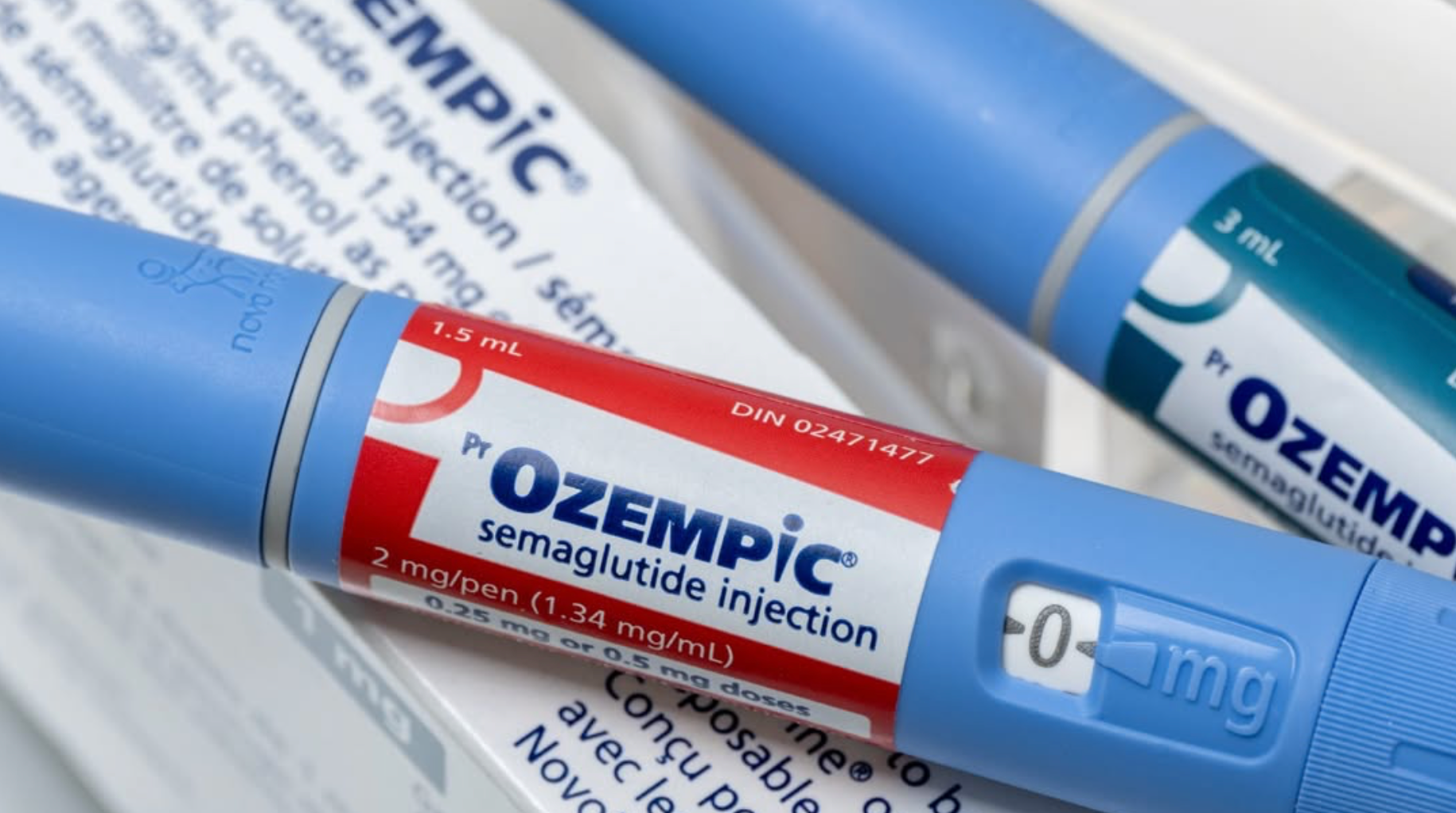
New research on obesity and diabetes drugs is pointing to a next phase beyond Ozempic, with scientists testing medicines designed to produce stronger effects and help patients maintain weight loss for longer.
The latest findings focus on two experimental drugs: retatrutide, a weekly injection that acts on three hormone pathways, and orforglipron, a daily pill being studied as a possible maintenance option after injectable treatment.
The results come as GLP-1 drugs such as Ozempic and Wegovy, which contain semaglutide, and Mounjaro, which contains tirzepatide, continue to reshape the treatment of obesity and type 2 diabetes.
Ozempic was developed for type 2 diabetes, while Wegovy is approved for weight management in several countries. Mounjaro acts on two hormone pathways and is used for diabetes and weight related conditions in some markets.
Retatrutide goes further. It is designed to act on GLP-1, GIP and glucagon receptors, three pathways involved in appetite, blood sugar control and metabolism.
The phase 3 TRANSCEND-T2D-1 trial found that adults with type 2 diabetes who received retatrutide for 40 weeks had larger reductions in blood sugar and body weight than those given a placebo.
The trial screened 930 people and randomised 537 adults with type 2 diabetes who had not previously been treated with diabetes medication.
Participants receiving retatrutide saw average HbA1c reductions of 1.7 to 2.0 percentage points across the three tested doses, compared with 0.8 percentage points in the placebo group.
HbA1c is a measure of average blood sugar levels over several months and is widely used to monitor diabetes control.
The same trial found body weight reductions across the retatrutide groups, with the highest dose producing an average loss of 16.8 percent by week 40, according to Eli Lilly’s trial summary. Earlier reporting on the published study gave the weight loss range as 11.5 percent to 15.3 percent, compared with 2.6 percent in the placebo group.
Researchers also reported improvements in cholesterol and blood pressure. Side effects were mostly mild to moderate and mainly affected the digestive system, including nausea, diarrhoea and vomiting.
Retatrutide remains investigational and has not yet been approved for routine public use.
A separate line of research is looking at what happens after patients stop injectable medicines. Weight regain after stopping GLP-1 based treatments has become one of the main questions facing doctors and patients.
The ATTAIN-MAINTAIN trial, published in Nature Medicine and led by Louis Aronne at Weill Cornell Medicine, studied whether a daily pill called orforglipron could help people maintain earlier weight loss after using injectable medicines.
The 376 participants came from the SURMOUNT-5 study, in which they had previously used semaglutide or tirzepatide.
Weill Cornell Medicine said participants who had previously used semaglutide maintained 79.3 percent of their weight loss on orforglipron, compared with 37.6 percent in the placebo group.
Those who had previously used tirzepatide maintained 74.7 percent of their earlier weight loss, compared with 49.2 percent in the placebo group.
The findings matter because obesity and type 2 diabetes are chronic conditions that often require long term management. For many patients, stopping treatment can be followed by weight regain and worsening metabolic markers.
An oral maintenance drug could make treatment easier for some patients, especially those who struggle with injections, storage requirements, cost or treatment fatigue.
Both trials were funded by Eli Lilly, which makes tirzepatide and is developing retatrutide and orforglipron. That does not invalidate the findings, but it is relevant when assessing new research in a fast growing pharmaceutical market.
The research also comes with a warning. Experts have repeatedly said these medicines should be treated as medical therapies for complex metabolic conditions, not simple slimming products.
That warning is relevant in Tunisia, where Ozempic has recently entered public debate.
Ozempic, whose active ingredient is semaglutide, is authorised in Tunisia for type 2 diabetes. The National Agency for Medicines and Health Products, ANMPS, has reminded health professionals that its use for weight loss or obesity in people who do not have diabetes is unauthorised and strictly prohibited.
The medicine is being made available through community pharmacies, according to a communiqué from the medicines authority. Tunisian media have reported a price of about 355 dinars a box, compared with about 6 dinars for insulin, and said it is not reimbursed by CNAM.
Cost and prescribing rules have opened a professional debate. General medicine and family medicine groups in Tunisia have criticised restrictions that limit prescriptions to five specialties: endocrinology, internal medicine, cardiology, nephrology and nutrition.
Those groups argue that the restrictions could worsen access in interior regions where specialists are fewer.
Regulators and specialists argue that tighter rules are needed to prevent misuse, monitor side effects and protect patients who need the drug for diabetes.
No reliable national figures have been found on how many Tunisians are using Ozempic, or how much of that use may be off label. The available evidence points to public interest, medical caution and a live debate over access.