
Seven hours is now the line between ageing well and ageing fast
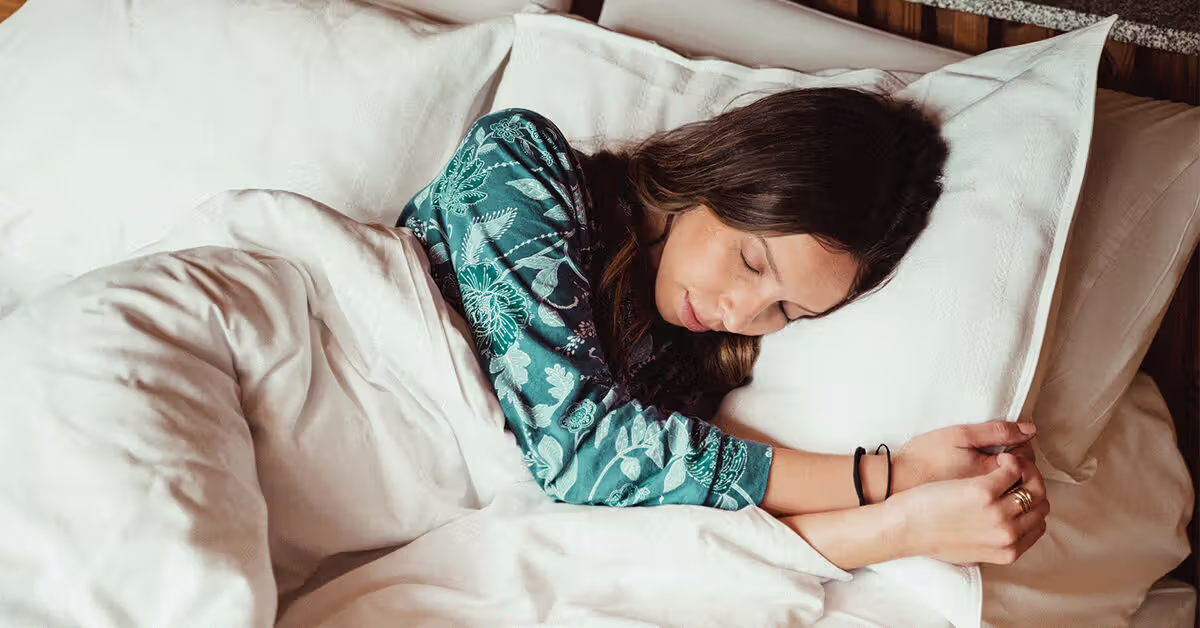
A study published in Nature this spring tracked how much people sleep against the biological age of their organs and landed on a narrow finding: the body holds up best at around seven hours a night, and both short and long nights speed the clock across the brain, the heart and nearly every other system the researchers measured. Sleep, on this evidence, is one of the strongest levers a person has over how fast they age, and the window that protects them is tighter than the easy advice to "get more rest" implies.
Why seven is the number
That puts a figure on something most people already half know. Sleep specialists settle on seven to nine hours for adults, and only a third to a half of us reach it in a normal week. Research from Oregon Health and Science University, published in January, pushed the point further and tied short sleep to a shorter life more tightly than diet or exercise, which moves sleep from the soft edge of wellbeing into the centre of how long a person lives.
When more sleep is a warning
The finding about long sleep deserves a word of caution, because the relationship runs in two directions. People who routinely sleep ten or eleven hours are often sleeping that long because something else is wrong, an illness, a depression, an exhaustion the body is trying to repair. Long sleep is frequently a symptom rather than a cause, so the headline is less "sleep less" and more "aim for a steady seven, and treat a sudden need for much more as a signal worth checking."
The gap between bed and rest
The practical trap sits between time in bed and time asleep. Nobody sleeps every minute under the covers. Falling off takes a while, the night carries small wakings most people forget by morning, and almost everyone overestimates the total. A true seven hours asleep means closer to eight hours in bed, so the arithmetic of a healthy night starts earlier in the evening than the target suggests. For teenagers the figure climbs again, to eight or ten hours, which is worth saying plainly to a younger reader who has been taught to treat sleep as the first thing to trade away for study or a screen.
Heat, gadgets and the cheap fixes
Summer in Tunisia makes the maths harder. The body lowers its core temperature to fall asleep and to stay asleep, and a bedroom that holds the day's heat past midnight works directly against that mechanism. Add the broken schedules of students, shift workers and a diaspora living across time zones, and a steady seven hours starts to look like a luxury rather than a baseline.
The wellness industry has noticed the anxiety and moved to sell into it. Rings and watches score your sleep overnight, supplements promise deeper rest, and a whole market has grown around the worry. The honest news is cheaper than any of it. A cooler and darker room, a fan or an open cross breeze, screens set down well before bed, caffeine kept to the morning, and a wake time held steady even at the weekend will move the needle further than any device, since the body rewards regularity more than it rewards a single long lie in. Seven solid hours sits within reach for most people who give themselves the window to get there, and the payoff shows up across mood, memory, weight and the long arithmetic of a life.