
Seven killed in Israeli strikes on southern Lebanon as ceasefire falters
Seven people were killed in Israeli occupation strikes on Tyre, according to Lebanese civil defence, days after Washington announced a ceasefire framework that Hezbollah has rejected.
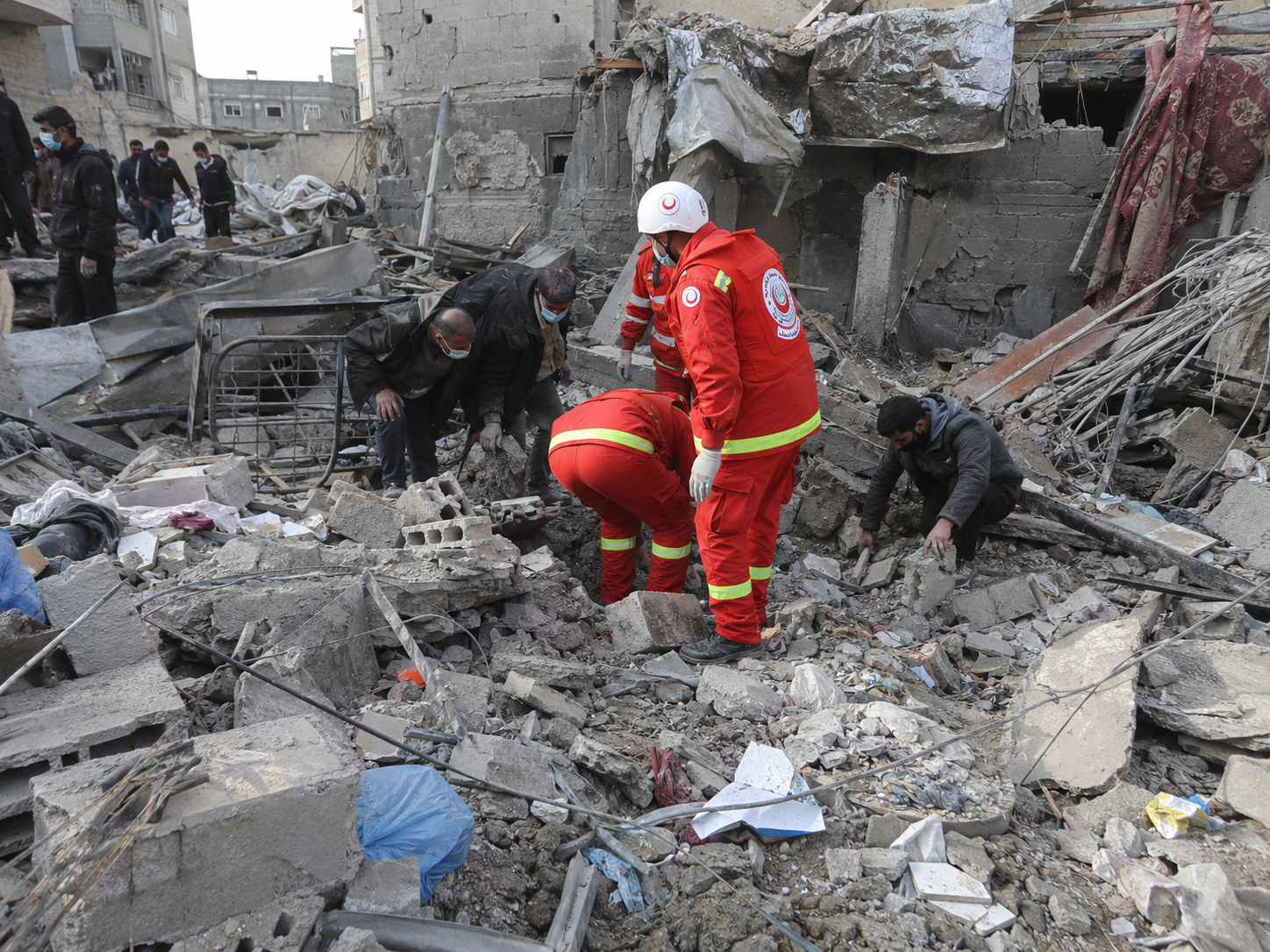
Seven people were killed in Israeli strikes on the southern Lebanese city of Tyre, as a US backed ceasefire framework faced rejection from Hezbollah and continued Israeli operations in the south.
Lebanese civil defence sources cited by AFP and reported by Naharnet said the strikes hit Tyre overnight on Friday, June 5. One strike near Jabal Amel hospital killed four people, wounded seven others and lightly damaged the facility. A second strike elsewhere in the city killed three people and wounded five, including two children.
The deaths came two days after Washington announced a ceasefire framework following talks involving Lebanese and Israeli representatives in the United States. The proposal required Hezbollah to stop attacks and withdraw from areas south of the Litani River, while expanding the role of the Lebanese Armed Forces in southern Lebanon.
Lebanese President Joseph Aoun said Lebanon would formally inform the United States of Hezbollah’s position. According to Axios, Aoun also said the ceasefire would only come into effect 24 hours after Lebanon received US confirmation that all sides had accepted the terms.
Hezbollah rejected the proposal on Thursday, June 4. Its leader, Naim Qassem, said in a televised message that the plan was unacceptable because it demanded Hezbollah’s withdrawal while Israeli occupation forces remained on Lebanese territory. A Hezbollah official later told AFP that the group had informed Lebanese authorities and Parliament Speaker Nabih Berri, a Hezbollah ally who has acted as an intermediary.
The framework followed several rounds of US backed talks. The first direct round between Lebanese and Israeli representatives took place in Washington on April 14, followed by another on April 23. Further discussions were held in mid May, before Lebanon returned to Washington on June 3 seeking to expand the ceasefire.
Lebanon’s official position, led by President Aoun and the government in Beirut, has focused on securing a halt to Israeli attacks and restoring full Lebanese sovereignty over the south.
Israel has demanded Hezbollah’s removal from areas near the border and the deployment of the Lebanese Armed Forces in the South Litani sector. Israeli Defence Minister Israel Katz said forces would continue operations in southern Lebanon and remain in what he called a security zone.
The result is a ceasefire framework accepted as a diplomatic track by Lebanon’s government but rejected by Hezbollah, the main armed force confronting the Israeli occupation in southern Lebanon.
The fighting has also deepened Lebanon’s humanitarian crisis. The United Nations said on Friday, June 5, that it had doubled its Lebanon aid appeal to $639.9 million, citing sharply rising needs as the war continues. The UN says 1.4 million people need assistance, while food insecurity is expected to worsen by August.
For civilians in southern Lebanon, the latest diplomatic framework has brought no immediate protection. The deaths in Tyre add to the toll of a conflict in which negotiations and battlefield escalation are unfolding at the same time.