
The 2026 to 2030 plan promises a social state. The budget math is far less generous
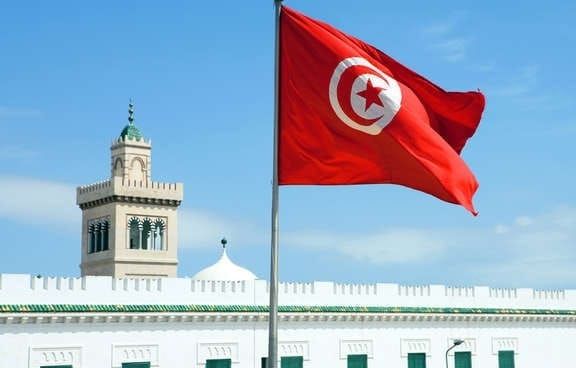
The government frames its new development plan around social protection and jobs. The public finances leave it very little room to deliver
The plan, steered by Prime Minister Sarra Zaâfrani Zenzri, leads with the language of a social state: protection for low income families, public hiring, regional investment and an industrial policy tied to African markets. The ambition is clear. The constraint is arithmetic.
Most of what the treasury collects is already spoken for. Wages, debt interest and subsidies together swallow the overwhelming majority of tax revenue, on some estimates close to nine tenths of it. Growth is projected near 2.3 percent for the year, enough to tread water but well short of the 4.5 percent the development ministry says is needed simply to absorb new entrants to the labour market.
With international lending stalled since the suspension of the IMF programme, the state leans on domestic borrowing and the central bank. That keeps the lights on. It also crowds private firms out of credit and postpones the structural questions the plan is meant to answer. The test of the year will be whether ambition survives contact with the ledger. Feature image idea: the Kasbah government quarter, or the finance ministry exterior.