
Trump calls off third night of Iran strikes as Kharg Island threat precedes diplomatic pivot
US President Donald Trump cancelled planned strikes against Iran on Thursday evening, hours after threatening to seize Kharg Island and hit the country 'very hard', citing a breakthrough in negotiations — though Tehran said no final decision had been made and a senior Iranian official denied any mem
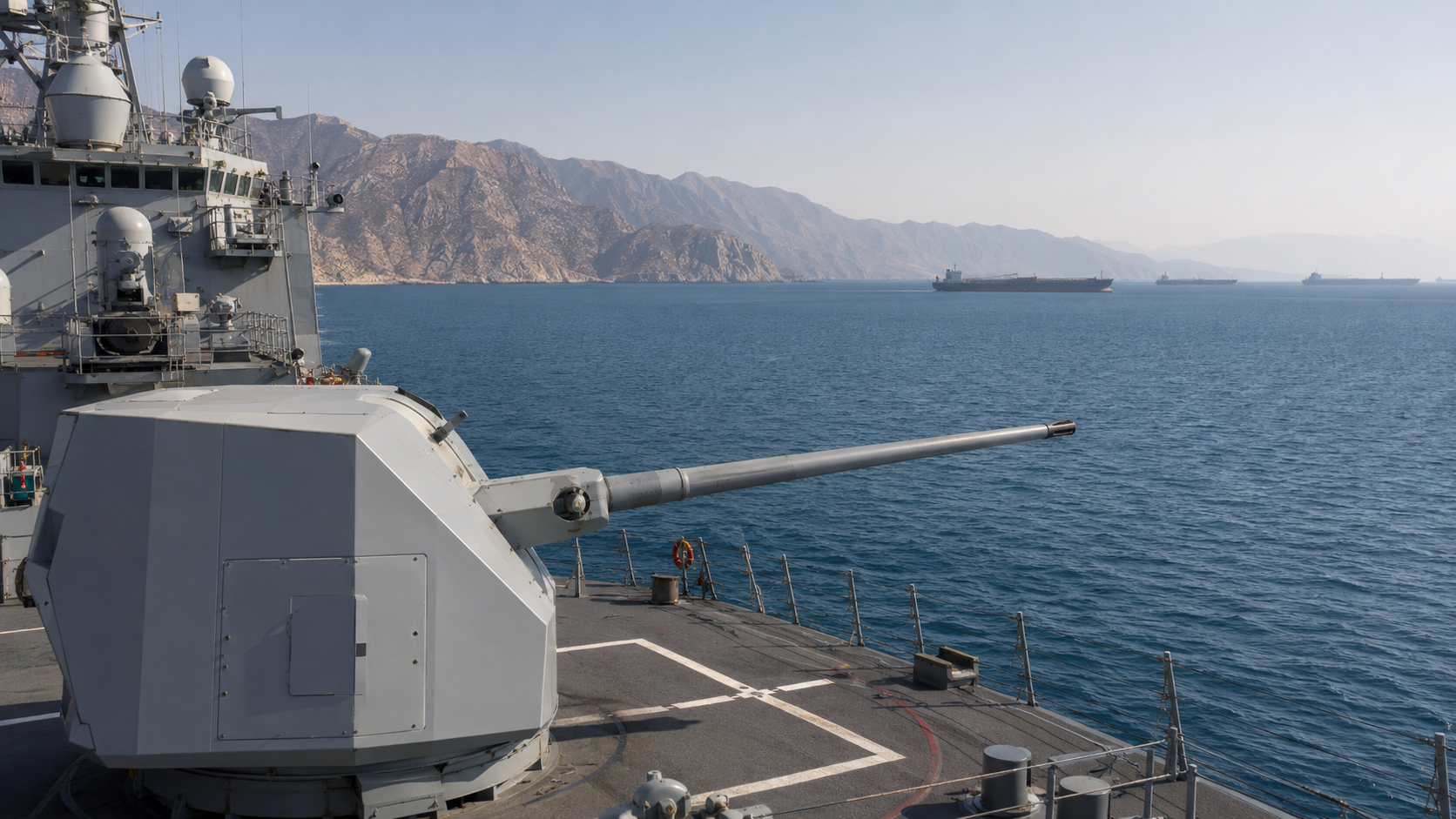
US President Donald Trump cancelled a third consecutive night of planned strikes against Iran on Thursday 11 June, announcing on Truth Social that talks had reached a breakthrough — an abrupt reversal that came roughly five hours after he had threatened to seize Kharg Island and bomb the country's oil infrastructure.
In his Truth Social post, Trump wrote that discussions with the Islamic Republic had been "brought to the highest level of Iranian leadership and approved" and that he had therefore cancelled the scheduled strikes. He told reporters in the Oval Office that the US had made a "great settlement of the war with Iran" and expected a formal memorandum of understanding to be finalised within days, potentially as early as this weekend in Europe.
Iran's Foreign Ministry and a senior Iranian official linked to the negotiations said no memorandum of understanding had been agreed and no final decision had been made. Fars News Agency, which is affiliated with the Islamic Revolutionary Guard Corps (IRGC), quoted a source close to the Iranian negotiating team as saying no MOU text had been approved.
The Kharg Island threat
Earlier on Thursday, Trump posted on social media that the US would be "taking Kharg Island, and other oil infrastructure points" in what he described as a bid to assume total control of Iran's oil and gas markets, comparing the plan to Washington's seizure of Venezuelan oil assets in January 2026. Kharg Island, known informally as the Forbidden Island due to its strict military controls, handles around 90 percent of Iran's crude oil exports and sits roughly 20 miles off Iran's shallow coastline in the Persian Gulf.
In a Fox News interview on Thursday morning, Trump said taking Kharg Island had always been his "preference" but added: "I don't know that America has the stomach for it, to be honest." He said he did not want to put boots on the ground in Iran. US military plans to seize the island had reportedly been drawn up for months but were shelved repeatedly as too risky, according to officials cited by US media.
Iran's joint military command, the Khatam al-Anbiya Central Headquarters, warned through Iranian state media that Iran would respond more severely than before if the US launched further attacks. Iran's top nuclear negotiator, Mohammad Bagher Ghalibaf, also posted on X warning that "wrong strategies and impulsive decisions will reset the entire board for the worse, explode energy infrastructure and markets and create an endless quagmire."
Two days of escalation
Thursday's events followed two consecutive nights of mutual strikes. On Wednesday 10 June, the IRGC said it had launched drone and missile strikes on US military bases in Bahrain, Kuwait and Jordan in retaliation for US attacks on Iranian targets near the Strait of Hormuz. The IRGC said it targeted the US Fifth Fleet headquarters in Bahrain, the Ali Al Salem airbase in Kuwait, and an airbase at Azraq in Jordan, claiming it attacked 21 US targets, including F-35 fighter jet hangars. Bahrain's Defence Force said its air defences intercepted a number of aerial attacks. Jordan's military said it intercepted and shot down 20 missiles fired toward the Azraq area, with falling shrapnel causing no casualties. A US official cited by Axios said nearly all incoming projectiles were intercepted and there were no reports of US casualties.
Iran's joint military command declared the Strait of Hormuz closed on 11 June, including to oil tankers and commercial vessels, warning any vessel attempting passage would be shot at. The Strait, which carried around 20 percent of global energy supply before the conflict began on 28 February 2026, has been largely shut to seaborne crude since the fighting started.
The US military, under Central Command (CENTCOM), struck multiple Iranian targets, describing the operations as acts of "self-defence". Trump told Fox News that the US dropped "$250 million worth of bombs" on Iran the previous night. The previous round of US strikes hit ports at Sirik, Jask and Bandar Abbas, as well as Qeshm Island.
Deal terms disputed
Trump acknowledged publicly that the emerging memorandum of understanding deals only "conceptually" with Iran's nuclear material. The MOU, which he said he hopes to sign over the weekend, would set up subsequent negotiations rather than resolve the uranium stockpile question immediately. It would, however, include a commitment from Iran not to acquire a nuclear weapon, according to the Times of Israel.
Israeli Prime Minister Benjamin Netanyahu spoke with Trump by phone about the emerging agreement. Netanyahu's office said Israel is not a party to the MOU and framed the document as one governing entry into negotiations. Netanyahu welcomed Trump's assurance that any final accord would require Iran to remove enriched material, dismantle enrichment infrastructure, limit missile production and end support for regional proxies. Trump's announcement caught Netanyahu by surprise, according to US media reports; Defence Minister Pete Hegseth and Joint Chiefs chairman Dan Caine had travelled to the White House earlier on Thursday to discuss Iran options with Trump before the cancellation post was made.
A hardline Iranian lawmaker, Ebrahim Rezaei, spokesperson for the Iranian parliament's National Security and Foreign Policy Committee, warned on X that "the probability of deception by Trump is high" and urged Iran to strike harder rather than accept a pause. A small but influential faction known as Jebhe-ye Paydari, or the Endurance Front, has throughout the conflict sought to block any agreement with the United States, viewing such a deal as capitulation.
Iran's Foreign Ministry said the latest round of US strikes had rendered the April 8 ceasefire deal "practically meaningless". The ceasefire reached on that date has broken down in the weeks since, with both sides trading strikes in what analysts describe as the most severe exchanges since April.
The prolonged closure of the Strait of Hormuz has driven up energy prices and food costs worldwide. The World Food Programme warned in recent days that the price shock was deepening acute hunger for millions of people, with communities it serves eating 20 to 30 percent less as food prices rose by equivalent margins. The US Energy Information Administration said global oil demand in 2026 was running 1.1 million barrels per day below 2025 levels as a direct consequence of the conflict.
Trump said the Strait of Hormuz would reopen immediately upon signing of the MOU. No signing date had been confirmed as of Friday 12 June. This is a developing story.