
Tunisia drops 10 places in global child rights ranking as region faces obesity alarm
Tunisia fell ten places in the KidsRights Index 2026, released on 24 June, placing it among the 13 steepest decliners worldwide in an edition that flags the Middle East and North Africa as carrying the highest childhood obesity rates on the planet.
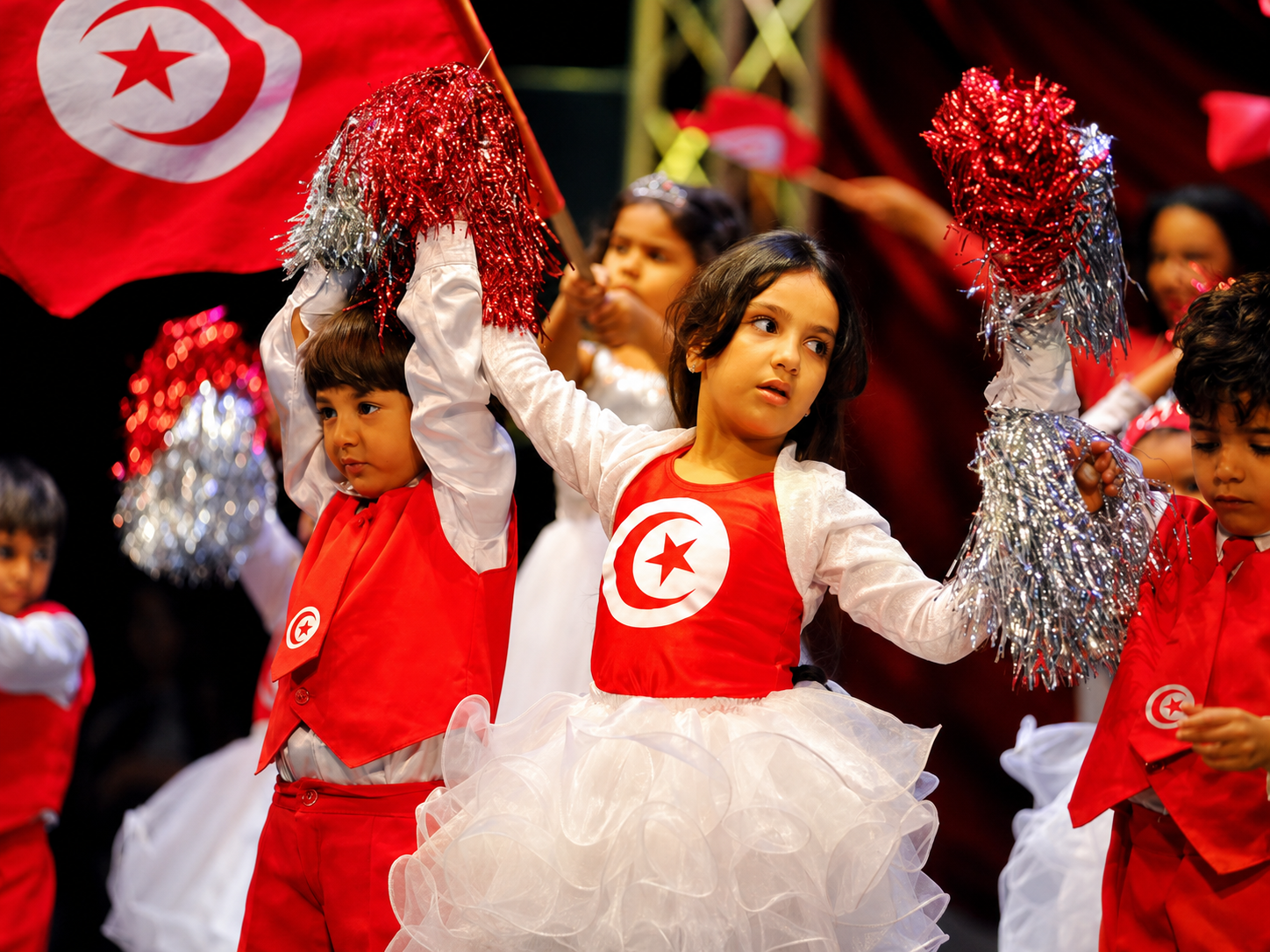
Tunisia fell ten places in the KidsRights Index 2026, the annual global child rights ranking published on Wednesday 24 June by the KidsRights Foundation and Erasmus University Rotterdam, placing it among the steepest national decliners in an edition that describes a worldwide reversal of progress on children's rights.
The drop, confirmed in the foundation's own year-on-year comparison tool, puts Tunisia 13th among the 20 countries that fell furthest between 2025 and 2026 , in the company of regional neighbours Bahrain, which also lost 10 places, and Kuwait, which fell nine.
A broadly deteriorating picture
The index was released on 24 June by the international children's rights organisation KidsRights, in cooperation with Erasmus University Rotterdam. The annual ranking reveals a worrying global decline driven by escalating armed conflicts, a sharp increase in conflict-related sexual violence against children, and a worldwide childhood obesity epidemic. Progress in advancing children's rights is slowing or reversing across much of the world; only five countries improved their position in this year's index, while 31 countries declined.
The number of countries in the highest-performing category fell by 30 percent compared with 2025, underscoring the scale of the global deterioration.
The index evaluates 194 countries across five domains: Right to Life, Right to Health, Right to Education, Right to Protection, and Enabling Environment for Child Rights. The 2026 edition is the 14th annual report.
Obesity: a particular pressure on the region
One of the index's central findings bears directly on North Africa. For the first time in recorded history, obesity among children and adolescents aged 5 to 19 exceeds underweight at the global level. The highest prevalence rates are found in Latin America and the Caribbean and in the Middle East and North Africa.
KidsRights warns that many countries are now facing a double burden of malnutrition — persistent undernutrition alongside rapidly increasing obesity — and the index now includes childhood overweight and obesity as official health indicators for the first time.
Childhood obesity, once considered primarily a challenge for high-income countries, is now increasingly affecting low- and middle-income countries.
Global leaders and laggards
Luxembourg topped the 2026 ranking with a score of 0.871, followed by Iceland at 0.867; Monaco and Germany shared third place, each scoring 0.866. Afghanistan placed 194th out of 194 countries, remaining at the bottom of the global index.
The United States is not included in the index because it has signed but not ratified the UN Convention on the Rights of the Child.
What the index measures
The KidsRights Index is the first and only global ranking that annually measures how children's rights are respected worldwide and the extent to which countries are committed to improving them. Initiated in 2013, it is developed in cooperation with Erasmus School of Economics and the International Institute of Social Studies.
The index creates a basis for concrete, evidence-based recommendations on how governments might improve children's rights performance, and is widely used by policymakers, researchers, civil society organisations, and financial institutions.
The Tunisian Ministry of Social Affairs and Ministry of Education had not responded to a request for comment at the time of publication. The full 2026 report, including domain-level breakdowns by country, is available on request from the KidsRights Foundation at kidsrights.org.