
TunSea warns beachgoers not to touch blue jellyfish on Tunisian beaches
TunSea says the jellyfish can release stinging cells into the water, causing itching and skin irritation even without direct contact.
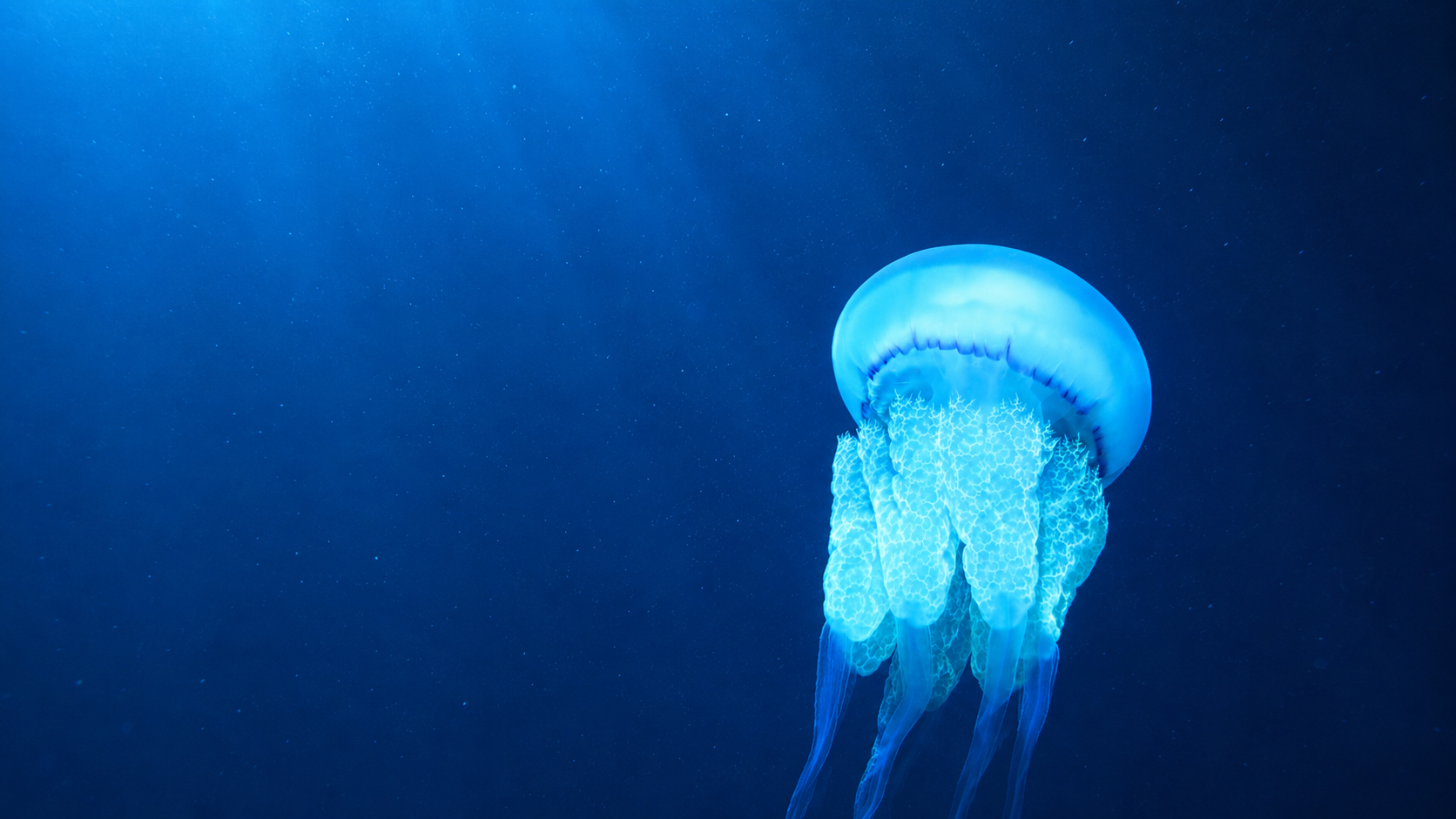
Tunisian marine association TunSea has urged beachgoers not to touch or remove blue jellyfish from the sea after sightings on Tunisian beaches during the summer season.
The association said handling the jellyfish, identified in local reports as Rhizostoma pulmo, can cause it to release a sticky substance containing thousands of stinging cells. These cells can remain suspended in the surrounding water and irritate swimmers, even when they have not touched the animal directly.
TunSea said the warning was aimed at swimmers and families who sometimes try to lift jellyfish out of the water when they appear near the shore. It advised beachgoers to avoid bare hand contact, keep children away, and leave the jellyfish in the sea unless beach or municipal staff are handling the situation.
The blue jellyfish is a familiar summer presence on parts of Tunisia’s coast. Its sting is usually less dangerous than that of some other marine species, but it can cause itching, burning and skin irritation.
Marine specialists have linked jellyfish blooms in Tunisian waters to warmer sea temperatures, pollution and the decline of natural predators such as sea turtles. UNDP Tunisia has previously described mass appearances of Rhizostoma pulmo on Tunisian shores as a sign of pressure on the Mediterranean marine environment.
Basic first aid advice for jellyfish stings is to rinse the affected area with seawater rather than fresh water, avoid rubbing the skin, and seek help from a lifeguard or medical professional if symptoms become severe. NHS guidance says urgent care is needed if a sting is followed by difficulty breathing, chest pain, severe swelling, vomiting, dizziness or loss of consciousness.
TunSea said leaving the jellyfish in its natural habitat reduces the spread of stinging cells in the water and helps protect both swimmers and the marine ecosystem.