
US-Iran war spills into Jordan and Gulf as oil markets turn volatile
Iran said it targeted US-linked military sites in Jordan, Kuwait and Bahrain after US strikes near the Strait of Hormuz, deepening fears of a wider regional conflict and renewed pressure on oil importing economies.
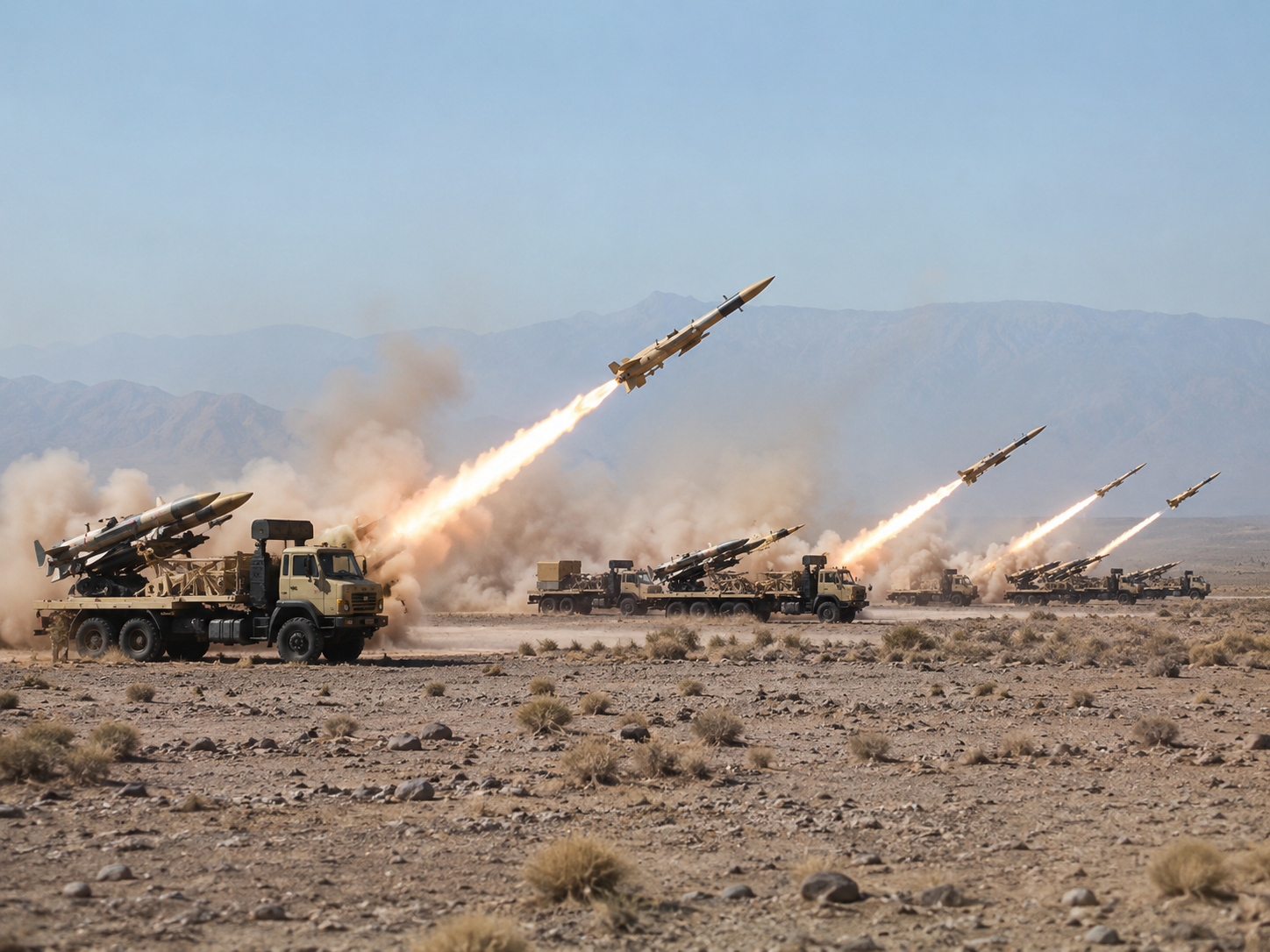
The US-Iran war widened on Wednesday after Washington launched strikes on Iranian targets near the Strait of Hormuz, prompting Tehran to say it had attacked US-linked military sites in Jordan, Kuwait and Bahrain.
Iran’s Revolutionary Guards said the missile and drone attacks were carried out in retaliation for US strikes on Iranian ports, islands and military facilities around the strategic waterway.
The US operation followed the downing of a US Apache helicopter near the Strait of Hormuz on Tuesday. US President Donald Trump said Iran had brought down the aircraft and vowed a strong response. A US official said the two crew members were rescued and were not injured.
The US strikes targeted Iranian air defence, ground control and surveillance radar sites, according to Reuters. A US official said almost 20 Iranian targets had been struck during an operation lasting around four hours.
Iranian media reported explosions in areas close to the Strait of Hormuz, including Qeshm island, Sirik, Bandar Abbas and Jask. Battlefield reports from either side could not be independently verified.
The Iranian response brought several US partner countries directly into the confrontation. Jordan’s military said it intercepted and shot down five missiles launched from Iran towards al-Azraq, with falling debris causing no injuries or material damage.
Kuwait said its air defence systems were engaging hostile aerial targets and urged the public to follow official safety instructions. Bahrain’s air defences also repelled Iranian attacks, according to a media adviser to Bahrain’s king.
Iran’s foreign ministry said Tehran had acted in self-defence and warned Gulf states against allowing their territory to be used by US or Israeli forces.
The escalation has raised fresh questions over the fragile ceasefire reached in April and the wider peace effort that followed the start of the Iran war in late February.
The Strait of Hormuz remains central to the crisis. Before the war, the waterway carried about a fifth of the world’s crude oil and liquefied natural gas. Tehran has maintained restrictions on most shipping through the strait, while Washington has imposed its own blockade of Iranian ports.
Oil prices reacted quickly to the renewed fighting. Reuters reported that Brent crude was trading at $91.36 a barrel and US West Texas Intermediate at $88.10 in early Wednesday trading, after initial gains linked to the latest strikes.
Trump has said he still wants a peace agreement, but the latest exchange makes diplomacy more difficult. Iran wants sanctions relief, the release of frozen assets and recognition of its control over the strait. Washington says any deal must ensure Iran cannot develop a nuclear weapon, a charge Tehran denies.