
What Morocco's Atlantic port means, seen from Tunis
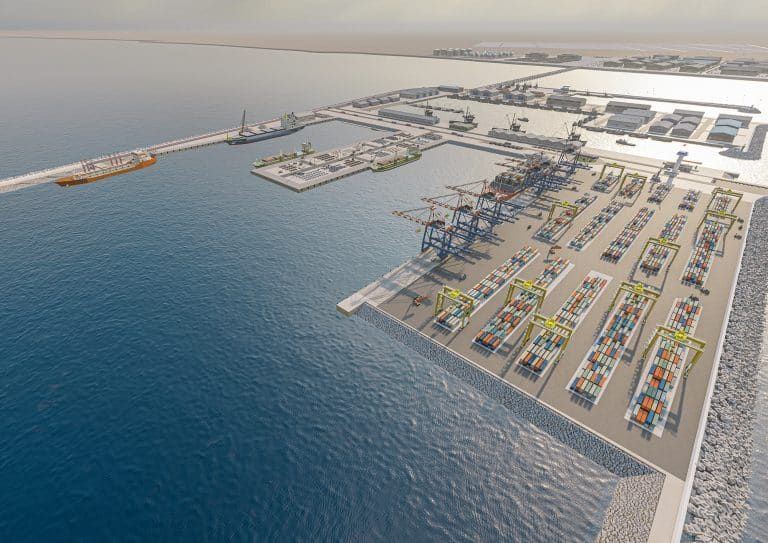
Rabat is building the Sahel a road to the ocean. Tunisia should understand why, and what it changes.
On the Atlantic coast of the disputed Western Sahara, Morocco is building a large new port designed to give the landlocked states of the Sahel a route to the sea. The project, part of what Rabat calls its Atlantic Initiative, is as much strategy as commerce: a way to bind Mali, Niger and Burkina Faso to Morocco and to cement its claim over the territory.
For Tunisia this is a lesson in how a middle power turns geography into influence. Morocco has spent a decade positioning itself as the bridge between Africa and Europe, through pipelines, ports and patient diplomacy across the continent.
Tunisia has fewer resources for grand projects. It has its own assets, a location, a skilled workforce and a long Mediterranean coast. The question the Atlantic port poses, quietly, is whether Tunis will compete for a continental role or watch its neighbours define one without it