After Two Lost Harvests, Tunisia Reschedules Its Farmers' Debts
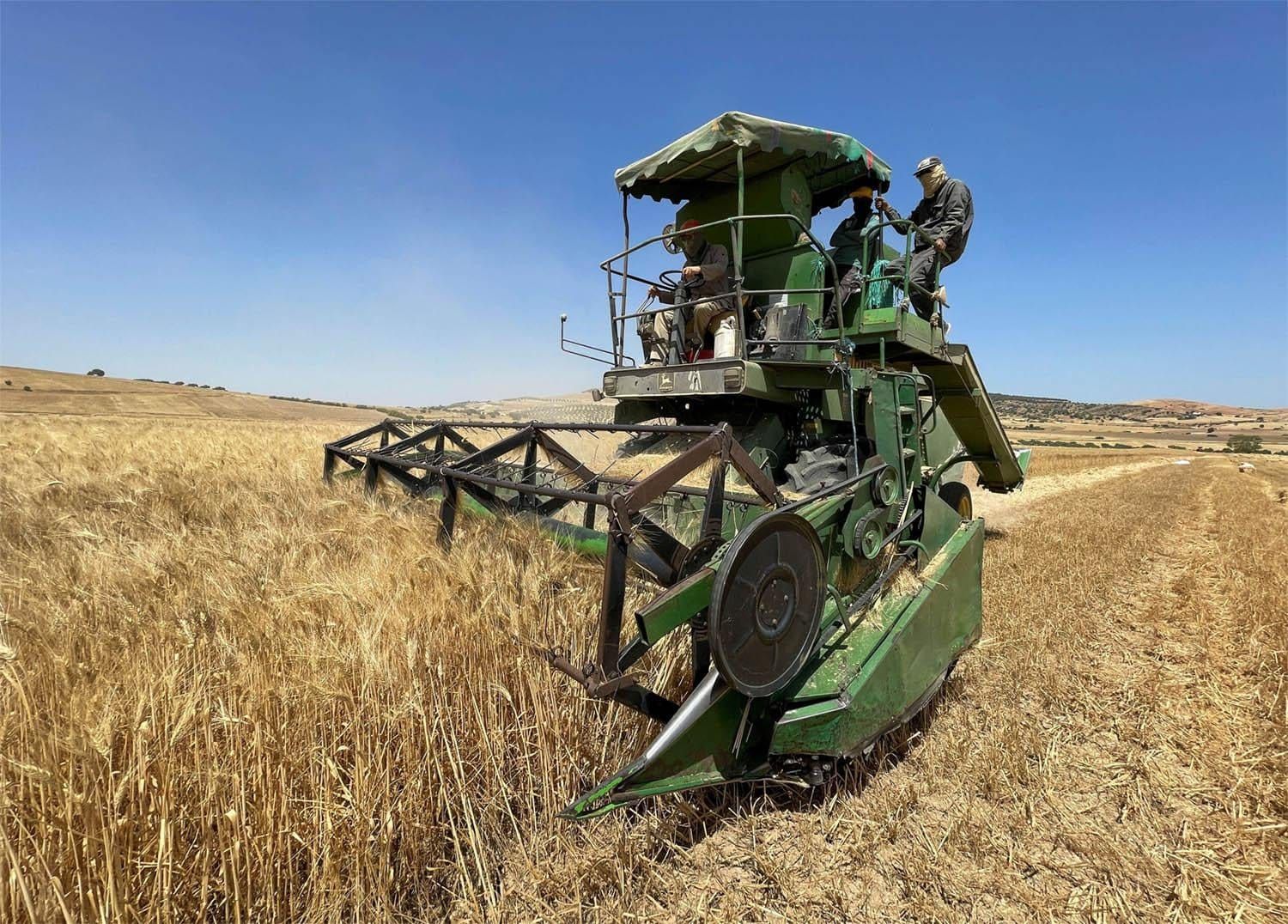
The central bank has told lenders to restructure the loans of cereal growers ruined by drought, a sign of how deeply climate has begun to reshape Tunisian farm finance.
The Central Bank of Tunisia has instructed the country's banks to reschedule the debts of farmers wrecked by two consecutive years of drought. In a circular issued on 2 June, the bank set out how lenders may restructure the loans of cereal growers who lost their crops in the 2023-2024 and 2024-2025 seasons, stretching repayment over as long as seven years and handling each case according to the farmer's losses and ability to pay. Applications must reach the banks by 15 July.
The measure follows the government's formal recognition, by decree on 8 May, of the drought as a natural calamity in several governorates, among them Siliana, Le Kef and Kasserine. In some districts of those regions, official annexes recorded losses of up to 100 percent of the area sown. Farmers seeking relief must produce a certificate from the regional agricultural authorities documenting the damage, and only those who had kept up with their loans beforehand qualify. Holdings in irrigated zones are excluded, since the drought struck rain fed cereal land hardest.
The relief is split between the banks and the state. A national guarantee fund will absorb part of the cost of the rescheduling, while banks are also permitted to restructure some agricultural loans the fund does not cover, bearing that risk themselves. The logic is as much about the lenders as the farmers. Two failed harvests have left many growers unable to repay the campaign loans they took out to plant, and without intervention those debts would turn into a wave of classified loans on bank balance sheets already under strain. Rescheduling spreads the pain and keeps the agricultural credit system from seizing up.
The deeper story is the climate pressure now bearing down on the whole arrangement. Tunisia is one of the most water stressed countries in the world, and it has been in drought for most of the period since 2019. National dam reserves fell to around 19 percent of capacity in 2021 and 2022, recovered only partially to roughly a third by early 2025, and a decrepit distribution network loses close to 30 percent of supply to leaks. The state has resorted to overnight water cuts and rationing, and water shortages have become a fixture of the country's summers. Against that backdrop, a poor cereal year is no longer the exception. It is becoming the pattern.
The stakes are national, not only agricultural. Tunisia needs around three million tonnes of wheat and barley a year, and normally imports about two thirds of it, which makes a weak domestic harvest a drain on scarce foreign currency at a time when public finances are tight. Agriculture provides roughly a tenth of the economy and around an eighth of all jobs, much of it concentrated in the northwestern cereal belt that the drought has hit worst. When the harvest fails there, the damage runs from the farm gate to the grain bill to the banking system.
That is why a debt circular is worth more attention than it might seem. It is a financial fix for what has become a recurring climate shock, and it buys growers another season. What it does not do is change the underlying exposure. Tunisian farm finance is now structurally vulnerable to droughts that arrive faster than loans can be repaid, and the country's water model, which devotes the bulk of its supply to irrigating a small share of farmland and to thirsty export crops, has been called unsustainable by its own specialists for years. Unless crop insurance, water use and lending practices are rethought together, the state will find itself rescheduling the same debts again after the next dry winter. For now, the banks have been told to give their farmers time. The harder question is whether the rain will.