Saied Hosts a Congolese Envoy and Calls for a New African Order
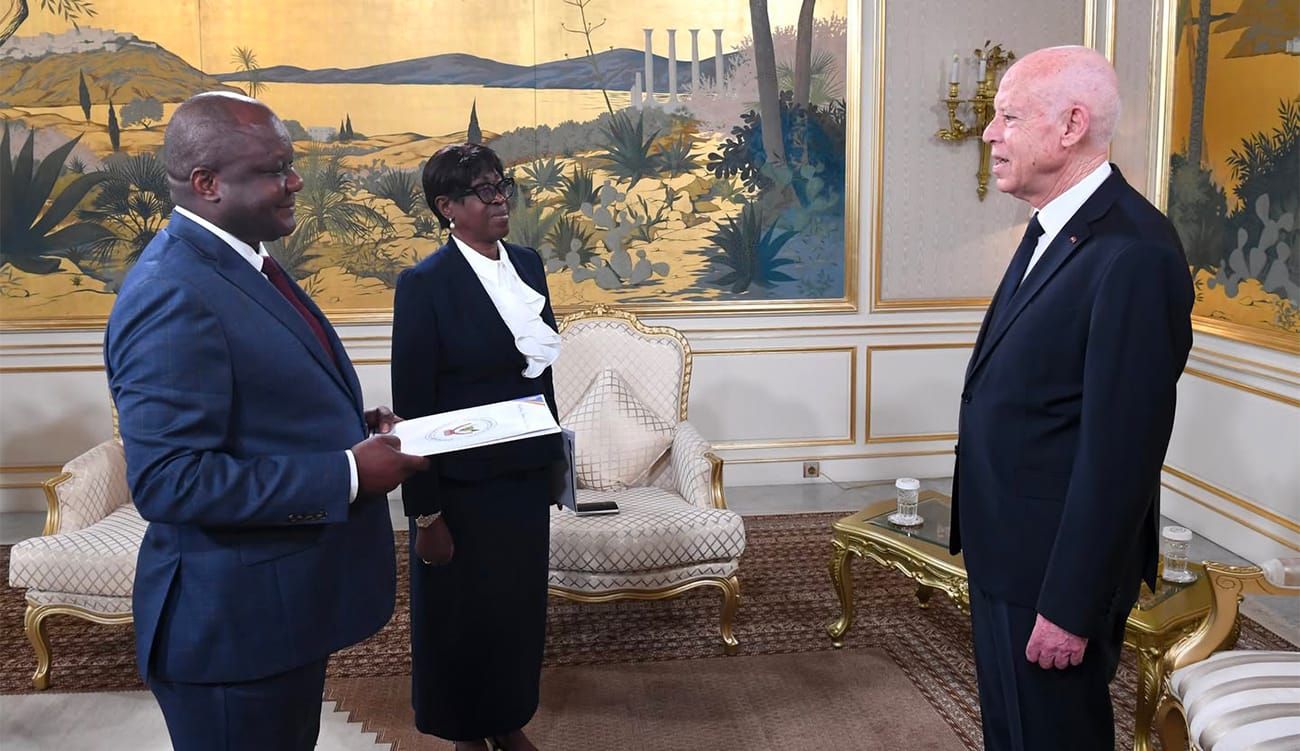
A written message from President Tshisekedi, delivered by Patrice Lumumba's daughter, gave Kais Saied a stage for his familiar theme: a fairer world that Africans build for themselves.
President Kais Saied received a special envoy from the Democratic Republic of Congo at the Carthage Palace on 1 June, and used the occasion to restate the worldview that has come to define his foreign policy. The envoy, a Congolese minister delegate, carried a written message to Saied from President Félix-Antoine Tshisekedi. The detail that gave the meeting its weight was the company he kept: the delegation included Juliana Lumumba, daughter of Patrice Lumumba, Congo's first prime minister and an enduring symbol of African decolonisation, who was assassinated in 1961.
The symbolism was deliberate and dense. Lumumba is a martyr of the independence era across the continent, and seating his daughter in the room framed the encounter in the language of pan-African solidarity rather than ordinary diplomacy. Saied leaned into it, recalling the shared history of the two countries, including the Tunisian contingent that served in the United Nations operation in the Congo's Katanga region in the early 1960s, at a time when the Tunisian diplomat Mongi Slim was a leading voice on the crisis at the UN. Patrice Lumumba himself had visited Tunisia in 1960.
From there Saied turned to his broader argument. The founders of the Organisation of African Unity, he said, had dreamed of genuine unity among the nations that won their independence from colonial rule, but the decades since had drifted from that ideal, leaving the continent held back despite its enormous natural wealth. The world, he went on, is passing through a deep transformation that demands new thinking built on justice and freedom, one that goes beyond the equality proclaimed on paper and rejects any hierarchy between nations and peoples. He closed by urging Africans to take an active hand in building their own future rather than remaining the victims of changes shaped elsewhere.
This is well trodden ground for Saied. Since consolidating power he has made a sovereigntist, anti colonial message central to how he presents Tunisia to the world, resisting the conditions attached to foreign loans and casting the global financial and political order as unjust to the global south. A grand call to remake that order, delivered to a Congolese audience steeped in the iconography of independence, fits the pattern exactly.
The timing also serves Kinshasa. Tshisekedi's government is fighting a Rwanda backed insurgency in the east of the country that has cost it territory and lives, and it has been working to rally African and international support to its side. Dispatching a high symbolism delegation to Tunis, message in hand, is part of that wider search for solidarity, and Saied's pan-African rhetoric offers a sympathetic platform.
Yet the continental message lands against an awkward domestic backdrop, and an honest account has to note it. In 2023, Saied's remarks warning about irregular migration from south of the Sahara, and suggesting it threatened Tunisia's demographic character, were followed by a surge of violence and insecurity against Black African migrants in the country, and drew condemnation from African governments and rights organisations. The gap between the solidarity he invokes on the continental stage and the treatment of Africans inside Tunisia's own borders is the unspoken context of meetings like this one.
The reception trafficked in powerful symbols: Lumumba's daughter, the Katanga deployment, the unfulfilled dream of African unity, and a sweeping call to rewrite the rules of the world. They are real and resonant. The harder measure of pan-African solidarity, though, lies less in the ceremonies of a palace than in how a country treats the Africans already living within it. That is the test Saied's words invite, and the one his record will ultimately be judged against.