Subsidies and the STEG problem: the reform no government wants to name
Electricity and bread are sold below cost. Everyone knows the bill is unsustainable. Touching it is another matter
Electricity and bread are sold below cost. Everyone knows the bill is unsustainable. Touching it is another matter
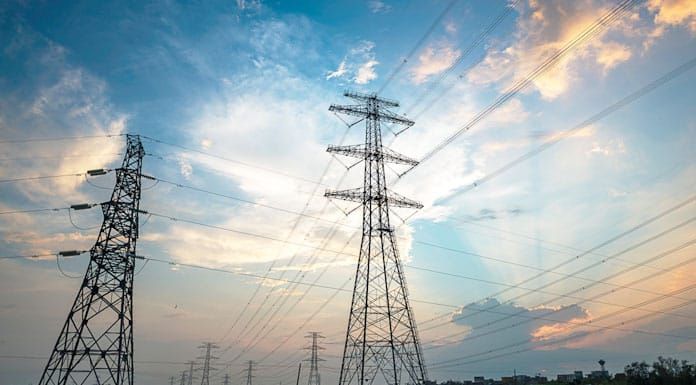
The state electricity and gas company, STEG, charges households rates that cover only a portion of what the power actually costs, on some measures little more than half. Bread, fuel and other staples carry similar gaps. The difference is paid by the treasury, and it is one of the heaviest single weights on the budget.
Every recent government has understood the logic of reform and flinched at the politics. Subsidies are blunt and expensive, and they flow disproportionately to those who consume most. Yet they are also the most visible thing the state still does for ordinary households, and the memory of past price shocks runs deep.
A serious fix would pair gradual price rises with direct cash support for the poorest, the approach international lenders have urged for years. The design is well understood. The courage to sequence it, and to carry the public through the first painful months, is the part that keeps slipping.