A tight central bank and easing inflation have kept the currency steady. The calm is real, and conditional.
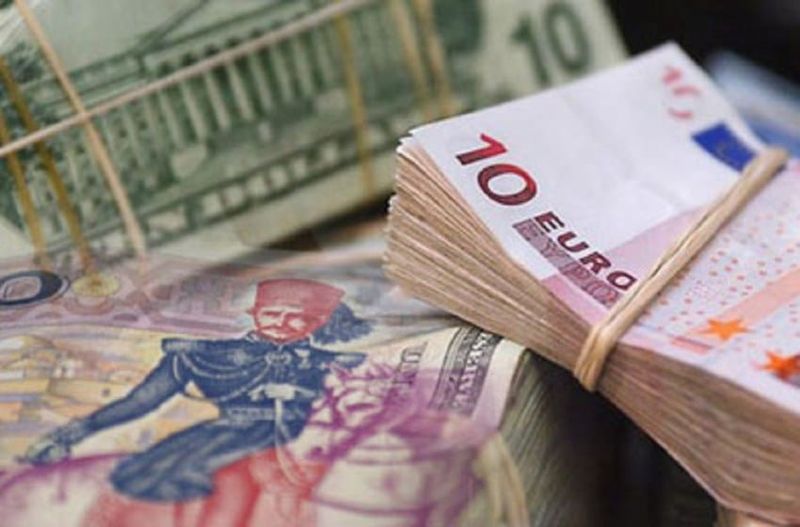
The Tunisian dinar has stayed relatively stable against the euro and the dollar, helped by a central bank that has held its key rate firm and by inflation drifting down toward the low single digits from the painful highs of recent years. After a stretch of anxiety, that steadiness counts as good news.
It rests on a narrow base. Tight money cools prices but also chokes credit and growth. Tourism receipts and remittances prop up the external accounts, both exposed to a bad season or a European downturn.
For businesses planning the year, the message is mixed. The currency is unlikely to lurch in the near term. The cost of borrowing stays high, and the economy underneath remains slow. Stability, here, means the absence of a shock rather than the presence of momentum.