When the state absorbs the country's savings, companies are left fighting for what remains.
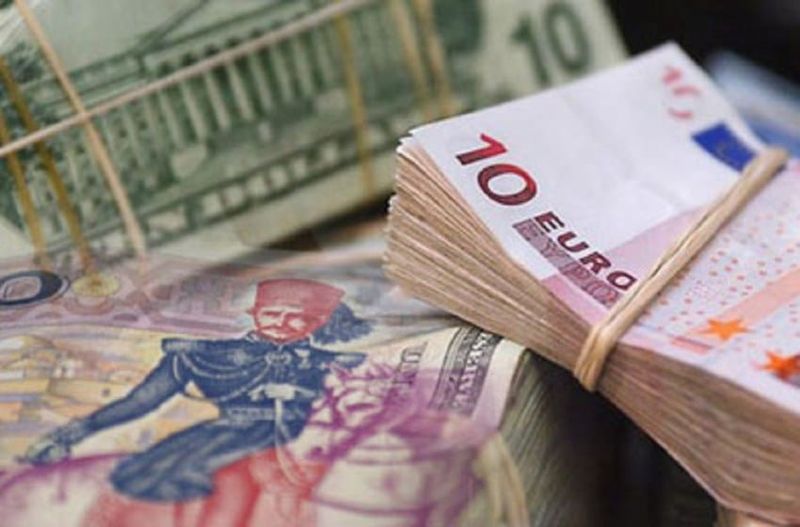
A quiet drag on Tunisian business is the way the state finances itself. Shut out of international markets, the treasury borrows heavily at home, largely from local banks. That lending is safe and convenient for the banks, and it leaves less for everyone else.
The result is a credit squeeze on private companies, especially the small and medium firms that create most jobs. They face high rates, cautious lenders and a queue in which the government always comes first. Investment that would expand capacity and hiring gets deferred.
Breaking the pattern means either restoring access to outside funding or deepening domestic capital markets so savings reach productive firms. Both are slow. Until one moves, the private sector grows only in the narrow space the state leaves it.